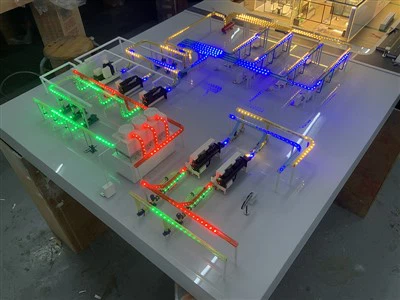
In the dynamic landscape of the industrial sector, the concept of modularity in industrial models has emerged as a game – changer. As an established industrial model supplier, I’ve witnessed firsthand the transformative power of modular design in meeting diverse customer needs, streamlining production processes, and enhancing overall product efficiency. In this blog, I’ll share some practical insights on how to make an industrial model more modular, drawing from my years of experience in the industry. Industrial Model
Understanding the Basics of Modularity
Before delving into the strategies for making an industrial model more modular, it’s crucial to understand what modularity means in this context. A modular industrial model consists of independent, self – contained components or modules that can be easily assembled, disassembled, replaced, or upgraded. These modules are designed to work together seamlessly, providing a high degree of flexibility and adaptability.
The benefits of a modular approach are numerous. For customers, it means having the ability to customize the industrial model according to their specific requirements. They can mix and match different modules to create a solution that precisely fits their operational needs. From a production standpoint, modularity simplifies manufacturing processes. Each module can be produced in isolation, which allows for parallel production, reducing overall production time. Moreover, it makes maintenance and repair easier, as only the faulty module needs to be replaced rather than the entire model.
Designing for Modularity
The first step in making an industrial model more modular is designing it with modularity in mind from the very beginning. This involves several key considerations:
Standardization of Interfaces
One of the fundamental aspects of modular design is the standardization of interfaces. Interfaces are the points where different modules connect and interact. By standardizing these interfaces, we ensure that modules can be easily integrated with each other. For example, using standardized electrical connectors, mechanical fasteners, and communication protocols simplifies the assembly process and makes it possible to swap modules from different manufacturers or product lines.
When designing the interfaces, it’s important to consider compatibility not only in terms of physical dimensions but also in terms of functionality. The modules should be able to communicate and work together effectively, whether it’s transferring data, sharing power, or coordinating mechanical actions.
Function Decomposition
Breaking down the overall functionality of the industrial model into smaller, independent functions is another crucial step. Each function should be encapsulated within a single module. For instance, in a complex automated manufacturing system, functions such as material handling, machining, and quality control can be designed as separate modules. This approach not only simplifies the design process but also makes it easier to develop, test, and optimize each module independently.
During the function decomposition process, it’s essential to define clear boundaries between modules. This includes specifying the inputs and outputs of each module and the interactions with other modules. A well – defined modular structure also makes it easier to make changes or improvements to individual functions without affecting the rest of the model.
Scalability
A modular industrial model should be scalable to accommodate future growth and changes in requirements. This means that the design should allow for easy addition or removal of modules. For example, in a data center cooling system, additional cooling modules can be added as the heat load increases over time. Similarly, in a production line, new processing modules can be incorporated to increase production capacity.
Scalability also involves ensuring that the overall system architecture can support the addition of new modules without significant rework or redesign. This requires careful planning of the power distribution, communication networks, and physical space within the industrial model.
Material Selection and Manufacturing Processes
The choice of materials and manufacturing processes also plays a significant role in making an industrial model more modular.
Material Compatibility
When selecting materials for different modules, it’s important to consider their compatibility with each other. This includes factors such as thermal expansion coefficients, chemical resistance, and mechanical properties. For example, if a module is exposed to high temperatures, the materials used should have appropriate heat resistance and should not deform or degrade under normal operating conditions. Moreover, different modules that come into contact with each other should not react chemically, which could lead to corrosion or other forms of damage.
Manufacturing Flexibility
Using manufacturing processes that allow for easy customization and variation is essential for modular design. Additive manufacturing techniques, such as 3D printing, offer a high degree of flexibility in producing complex module geometries. They also enable rapid prototyping and on – demand production of modules. Traditional manufacturing processes, such as machining and injection molding, can also be optimized for modularity. For example, using standardized tooling and fixtures can reduce setup times and make it easier to produce different module variations.
Quality Control and Testing
Ensuring the quality of individual modules is crucial for the overall performance of the modular industrial model.
Module – Level Testing
Each module should undergo rigorous testing before being integrated into the final product. This includes functional testing to ensure that the module performs its intended function correctly, as well as reliability testing to assess its durability and resistance to various operating conditions. For example, in an electronic module, electrical performance testing, signal integrity testing, and environmental stress testing are commonly carried out.
System – Level Testing
Once the individual modules are assembled, system – level testing is essential to verify the overall functionality and compatibility of the modular industrial model. This involves testing the interactions between different modules, as well as the performance of the entire system under different operating scenarios. System – level testing helps to identify any integration issues or performance bottlenecks that may have arisen during the assembly process.
Documentation and Training
Proper documentation and training are vital for the successful implementation of a modular industrial model.
Module Documentation
Comprehensive documentation should be provided for each module, including its specifications, installation instructions, maintenance requirements, and troubleshooting guides. This documentation not only helps customers to install and operate the modules correctly but also facilitates future upgrades and replacements.
Training Programs
In addition to documentation, training programs can be offered to customers and technicians. These programs can cover topics such as module installation, system integration, maintenance, and repair. Well – trained personnel are better equipped to handle the modular industrial model effectively, ensuring its optimal performance and longevity.
The Path Forward: Making the Most of Modular Industrial Models
In my experience as an industrial model supplier, I’ve seen the positive impact that modularity can have on both customers and the industry as a whole. By implementing the strategies outlined above, we can make industrial models more modular, which in turn leads to increased customer satisfaction, improved production efficiency, and a more sustainable approach to industrial manufacturing.
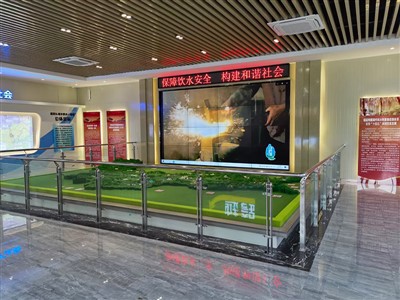
If you’re in the market for an industrial model and are interested in the benefits of modular design, I invite you to reach out to us for a detailed discussion. We have a team of experienced engineers and designers who can work with you to develop a customized modular solution that meets your exact specifications. Whether you’re looking to upgrade an existing system or implement a new one from scratch, our expertise in modular industrial models can help you achieve your goals.
Digital Sand Table Making an industrial model more modular is a multi – faceted process that requires careful planning, innovative design, and a commitment to quality. By embracing modularity, we can create industrial models that are more flexible, efficient, and adaptable to the ever – changing needs of the industrial landscape. Let’s work together to explore the possibilities of modular industrial design and take your industrial operations to the next level.
References
- Ulrich, K. T., & Eppinger, S. D. (2016). Product Design and Development. McGraw – Hill Education.
- Braha, D., & Maimon, O. Z. (1998). On the Design of Modular Product Systems. Research in Engineering Design, 10(2), 63 – 73.
- Gershenson, J. K., Prasad, G. J., & Zhang, W. (2004). Modularity for Product Design and Development. London: Springer.
Guangzhou Zonco Culture and Media Co., Ltd.
Guangzhou Zonco Culture and Media Co., Ltd. is one of the most reliable industrial model manufacturers and suppliers in China, also supports customized service with low price. We warmly welcome you to wholesale cheap industrial model from our factory. For quotation, contact us now.
Address: Room C371, 402, Building 6, No. 3 Xintang Street, Tianhe District, Guangzhou
E-mail: 13123180052@163.com
WebSite: https://www.scalemodellab.com/
