Binder testing equipment plays a crucial role in various industries, from construction to materials science. As a supplier of binder testing equipment, I often receive inquiries about whether our products can be used for research purposes. In this blog post, I will delve into this question, exploring the capabilities of binder testing equipment in research settings and highlighting its significance in advancing scientific knowledge. Binder Testing Equipment

The Nature of Binder Testing Equipment
Before discussing its use in research, it’s essential to understand what binder testing equipment is. Binders are substances that hold materials together, and they are used in a wide range of applications, such as asphalt, concrete, and adhesives. Binder testing equipment is designed to measure the physical and chemical properties of binders, including viscosity, penetration, softening point, and ductility. These properties are critical for determining the quality and performance of binders, which in turn affects the durability and functionality of the products they are used in.
Our company offers a comprehensive range of binder testing equipment, including viscometers, penetrometers, ring and ball apparatus, and ductility testers. These instruments are designed to meet international standards and are widely used in quality control laboratories, research institutions, and manufacturing plants. They are known for their accuracy, reliability, and ease of use, making them suitable for both routine testing and advanced research.
Applications in Research
Understanding Binder Behavior
One of the primary uses of binder testing equipment in research is to understand the behavior of binders under different conditions. For example, in the field of asphalt research, scientists use viscometers to measure the viscosity of asphalt binders at different temperatures. Viscosity is a key property that affects the workability and performance of asphalt mixtures. By studying how viscosity changes with temperature, researchers can develop better asphalt formulations that are more resistant to rutting and cracking.
Similarly, in the study of concrete binders, penetrometers are used to measure the penetration of a needle into the binder under a specific load. This test provides information about the consistency and hardness of the binder, which is important for determining its setting time and strength development. By conducting penetration tests on different types of concrete binders, researchers can optimize the mix design to improve the durability and performance of concrete structures.
Developing New Binder Formulations
Binder testing equipment also plays a vital role in developing new binder formulations. For instance, researchers may use ductility testers to evaluate the ductility of different binder blends. Ductility is an important property for binders, as it affects their ability to stretch and deform without breaking. By testing different combinations of binders and additives, researchers can develop new formulations that have improved ductility and other desired properties.
In addition, binder testing equipment can be used to study the effect of aging on binders. Over time, binders can undergo chemical and physical changes due to exposure to environmental factors such as heat, oxygen, and ultraviolet radiation. By using specialized equipment to simulate aging conditions and then testing the aged binders, researchers can understand how aging affects the properties of binders and develop strategies to mitigate its effects.
Quality Control and Standardization
In research, it’s important to ensure the quality and consistency of the materials being studied. Binder testing equipment is essential for quality control and standardization in binder research. By using the same type of equipment and following standardized testing procedures, researchers can ensure that their results are comparable and reliable. This is particularly important when conducting collaborative research or when comparing the performance of different binders from various sources.
For example, international standards such as ASTM (American Society for Testing and Materials) and EN (European Norms) provide guidelines for binder testing. Our binder testing equipment is designed to meet these standards, which allows researchers to conduct tests that are recognized and accepted worldwide. This standardization helps to promote the advancement of scientific knowledge in the field of binders by ensuring that research results are accurate and reproducible.
Advantages of Using Our Binder Testing Equipment in Research
High Precision and Accuracy
Our binder testing equipment is built with high-precision components and advanced technology, which ensures accurate and reliable test results. This is crucial for research, where even small errors in measurement can have a significant impact on the conclusions drawn. For example, our viscometers are calibrated to provide highly accurate viscosity measurements, allowing researchers to precisely characterize the flow properties of binders.
Robust and Durable Design
Research often involves long-term testing and continuous use of equipment. Our binder testing equipment is designed to be robust and durable, able to withstand the rigors of frequent use in a research environment. This reduces the need for frequent repairs and replacements, saving both time and money for research institutions.
Customizable and User-Friendly
We understand that different research projects may have specific requirements. That’s why our binder testing equipment is customizable to meet the unique needs of researchers. In addition, our equipment is designed to be user-friendly, with intuitive interfaces and easy-to-follow operating instructions. This allows researchers to focus on their research rather than spending excessive time on equipment operation.
Technical Support and Training
As a supplier, we provide comprehensive technical support and training for our binder testing equipment. Our team of experts is available to assist researchers with equipment installation, calibration, and troubleshooting. We also offer training courses to ensure that researchers are proficient in using our equipment and can obtain accurate and meaningful results.
Conclusion
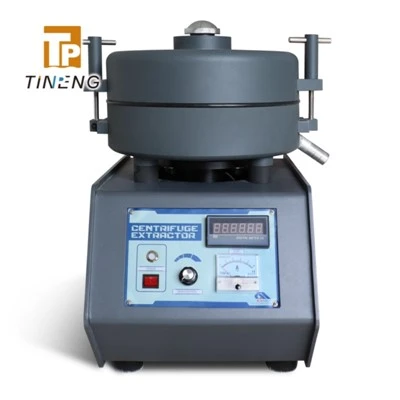
In conclusion, binder testing equipment can indeed be used for research purposes. It provides valuable insights into the properties and behavior of binders, which is essential for developing new binder formulations, improving product performance, and advancing scientific knowledge in the field. As a supplier of high-quality binder testing equipment, we are committed to supporting researchers in their quest for innovation and discovery.
Asphalt Mixture Testing Equipment If you are involved in binder research and are looking for reliable and accurate testing equipment, we invite you to contact us to discuss your specific needs. Our team of experts will be happy to provide you with detailed information about our products and services and to assist you in finding the best solutions for your research projects. Let’s work together to push the boundaries of binder technology and make a positive impact on various industries.
References
- ASTM International. (2023). Standard Test Methods for Bituminous Materials.
- European Committee for Standardization. (2023). EN Standards for Binder Testing.
- Kandhal, P. S., & Mallick, R. B. (2004). Hot Mix Asphalt Materials, Mixture Design, and Construction. NAPA Education Foundation.
Zhuozhou Tianpeng Imp. and Exp. Trade Co., Ltd.
Zhuozhou Tianpeng Imp. and Exp. Trade Co., Ltd. is one of the most professional binder testing equipment manufacturers and suppliers in China, featured by quality products and good price. Please rest assured to buy advanced binder testing equipment made in China here from our factory. Customized orders are welcome.
Address: Building C28, Hegu Technology Industrial Park, Development Zone, Zhuozhou, Hebei, China
E-mail: zhangdajing@testmould.com
WebSite: https://www.testmould.net/
