In the realm of industrial screening, the choice between polyurethane screens and metal screens is a crucial decision that can significantly impact the efficiency, cost – effectiveness, and overall performance of a screening operation. As a supplier of polyurethane screens, I’ve witnessed firsthand the diverse needs of our customers and the unique advantages that each type of screen brings to the table. In this blog, I’ll delve into the differences between polyurethane screens and metal screens, highlighting their characteristics, applications, and the reasons why polyurethane screens might be the better choice for your specific requirements. Polyurethane Screen
Material Composition and Structure
Let’s start by examining the fundamental differences in their material composition. Metal screens are typically made from materials such as stainless steel, carbon steel, or other alloys. These metals are known for their high strength and durability. The wires or plates used in metal screens are often woven, welded, or perforated to create the screening surface. The metal structure provides a rigid framework that can withstand high impact forces and abrasive materials.
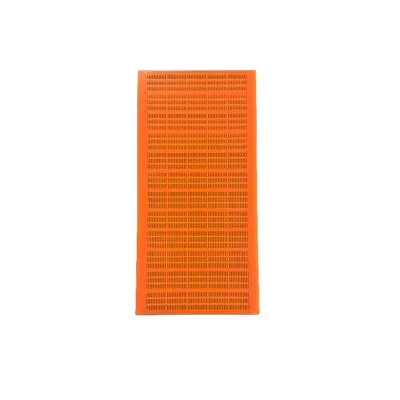
On the other hand, polyurethane screens are made from a synthetic polymer called polyurethane. This material is created through a chemical reaction that combines polyols and diisocyanates. Polyurethane can be formulated to have different properties depending on the specific application. It is commonly cast or molded into the desired screen shape, resulting in a seamless and uniform structure. The flexibility of polyurethane allows it to be designed with various hole shapes and sizes, providing greater customization options compared to metal screens.
Wear Resistance
One of the most significant differences between the two types of screens is their wear resistance. Metal screens are generally very hard and can resist abrasion to a certain extent. However, when exposed to highly abrasive materials such as quartz, gravel, or ores, the metal surface can quickly wear down. The sharp edges of the abrasive particles can cut into the metal wires or plates, causing them to break or become deformed over time. This wear can lead to frequent screen replacements, which not only increases the cost but also results in downtime for the screening equipment.
Polyurethane screens, on the other hand, offer excellent wear resistance. The elastic nature of polyurethane allows it to absorb the impact of abrasive particles without being easily damaged. When an abrasive particle hits the polyurethane screen, the material deforms slightly and then returns to its original shape, dissipating the energy of the impact. This property significantly extends the lifespan of the screen. In many cases, polyurethane screens can last 2 – 5 times longer than metal screens in abrasive applications, reducing the frequency of screen replacements and maintenance costs.
Noise and Vibration
Noise and vibration are important considerations in any screening operation. Metal screens tend to generate a significant amount of noise during the screening process. The impact of the material being screened against the metal surface creates a loud, clanging sound that can be a nuisance to workers and may even violate noise regulations in some areas. Additionally, the rigid structure of metal screens can cause excessive vibration, which can lead to premature wear and tear of the screening equipment and its components.
Polyurethane screens, in contrast, have excellent noise – dampening properties. The elastic nature of polyurethane absorbs the energy of the impact, reducing the noise level produced during screening. This creates a more comfortable working environment for employees and can also help to comply with noise regulations. Moreover, the flexibility of polyurethane screens helps to reduce vibration, which can improve the overall stability and longevity of the screening equipment.
Screening Efficiency
The screening efficiency of a screen is determined by its ability to separate the desired particles from the feed material accurately. Metal screens have a relatively rigid structure, which can sometimes cause the material being screened to bounce off the surface rather than pass through the holes. This can lead to a lower screening efficiency, especially for fine particles. Additionally, the sharp edges of the metal wires or plates can cause the particles to get stuck in the holes, further reducing the throughput.
Polyurethane screens, however, have a more flexible and elastic surface. This allows the material being screened to flow more smoothly over the surface and pass through the holes more easily. The elasticity of polyurethane also helps to prevent particles from getting stuck in the holes, improving the screening efficiency and throughput. Furthermore, the ability to customize the hole shape and size in polyurethane screens allows for more precise particle separation, making them ideal for applications that require high – precision screening.
Cost – Effectiveness
When considering the cost – effectiveness of polyurethane screens and metal screens, it’s important to take into account not only the initial purchase price but also the long – term costs associated with maintenance and replacement. Metal screens are generally less expensive to purchase initially. However, due to their shorter lifespan and higher maintenance requirements in abrasive applications, the overall cost of ownership can be significantly higher over time.
Polyurethane screens, although more expensive upfront, offer a lower cost of ownership in the long run. Their extended lifespan reduces the frequency of screen replacements, and their low – maintenance nature saves on labor and replacement costs. Additionally, the improved screening efficiency and reduced downtime associated with polyurethane screens can lead to increased productivity, which further offsets the initial investment.
Applications
The choice between polyurethane screens and metal screens also depends on the specific application. Metal screens are commonly used in applications where high strength and rigidity are required, such as in heavy – duty mining operations for large – scale screening of coarse materials. They are also suitable for applications where the material being screened is not highly abrasive and where the screening process involves high impact forces.
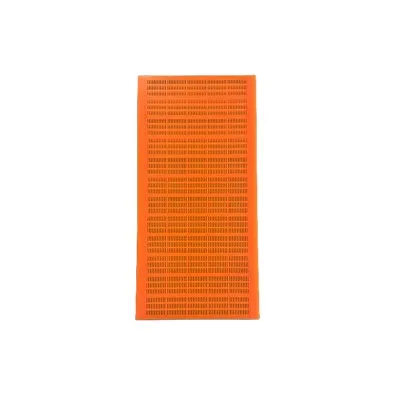
Polyurethane screens, on the other hand, are widely used in a variety of industries, including mining, quarrying, recycling, and food processing. They are particularly well – suited for applications involving abrasive materials, fine particle screening, and where noise reduction is a priority. For example, in the mining industry, polyurethane screens are often used for the screening of coal and ores, where their wear resistance and high screening efficiency can significantly improve the overall performance of the operation.
Polyurethane Screen As a supplier of polyurethane screens, I understand the importance of providing high – quality products that meet the specific needs of our customers. If you’re facing challenges with your current screening operation or are considering a switch from metal screens to polyurethane screens, I encourage you to get in touch with us. We have a team of experts who can provide you with detailed information, technical support, and customized solutions based on your requirements. Whether you need a small – scale screen for a laboratory application or a large – scale industrial screen for a mining operation, we have the expertise and resources to deliver the right product. Don’t hesitate to contact us for a consultation and to explore how polyurethane screens can benefit your business.
References
- Evertsson, C. (2008). Wear mechanisms and materials for mining applications. Wear, 265(9 – 10), 1295 – 1302.
- Gupta, R. K., & Yan, H. (2006). Mineral Processing Design and Operations: An Introduction. Elsevier.
- Malhotra, V. M., & Shah, K. D. (1998). Handbook of Polymeric foams and Foam Technology. Hanser Publishers.
Yangzhou Yaye Wire Mesh Manufacturing Co., Ltd.
As one of the most professional polyurethane screen manufacturers in China, we have world-leading production equipment and strong manufacturing capabilities. Please feel free to wholesale cheap polyurethane screen in stock here from our factory. Also, free sample is available.
Address: No. 1 Jiangjia Road, High-tech Industrial Park, Jiangdu District, Yangzhou City, Jiangsu Province
E-mail: 13952515577@163.com
WebSite: https://www.yayescreen.com/
