In the fast – paced world of commercial transportation, safety, efficiency, and compliance are of utmost importance. As a dedicated supplier of driving assistance devices, I’ve witnessed firsthand how these technologies can revolutionize the way commercial vehicles operate. However, the question lingers: Can driving assistance devices be used in commercial vehicles? Let’s delve deep into this topic. Driving Assistance Device
The Safety Imperative in Commercial Fleet Operations
Commercial vehicles, including trucks, buses, and delivery vans, are often on the road for extended periods and cover vast distances. The nature of their operations exposes them to a wide range of risks, such as long – haul fatigue, heavy traffic, and unpredictable road conditions. According to the Federal Motor Carrier Safety Administration (FMCSA), large trucks and buses accounted for a significant number of traffic fatalities and injuries in the United States in recent years.
Driving assistance devices can play a crucial role in mitigating these risks. For instance, forward – collision warning systems use sensors to detect the distance between the vehicle and the one in front. If the system senses a potential collision, it alerts the driver, giving them precious seconds to react. A study by the Insurance Institute for Highway Safety (IIHS) found that forward – collision warning systems can reduce rear – end collisions by up to 27%.
Another essential driving assistance device is the lane – departure warning system. Commercial drivers may sometimes drift out of their lanes due to fatigue or distraction. Lane – departure warning systems use cameras to monitor lane markings and alert the driver if the vehicle starts to veer out of its lane without a turn signal. This technology can prevent serious accidents, especially on highways where high – speed lane changes can lead to catastrophic collisions.
Regulatory and Compliance Aspects
Government regulations also play a major role in the adoption of driving assistance devices in commercial vehicles. In many countries, there are now requirements for specific safety features in commercial fleets. For example, the European Union has established mandatory safety standards for new trucks, including Advanced Emergency Braking Systems (AEBS) and lane – keeping assist systems.
These regulations are not only intended to improve road safety but also to level the playing field among different commercial vehicle operators. By mandating the use of driving assistance devices, regulatory bodies ensure that all commercial vehicles on the road meet a certain safety threshold. This can also boost consumer confidence in commercial transportation services, as they know that the vehicles transporting goods or passengers are equipped with the latest safety technologies.
Enhancing Operational Efficiency
Beyond safety, driving assistance devices can significantly enhance the operational efficiency of commercial vehicle fleets. Adaptive cruise control (ACC) is a prime example. This technology allows the vehicle to automatically adjust its speed based on the traffic flow, maintaining a safe following distance from the vehicle in front. In stop – and – go traffic, ACC can reduce the need for constant driver input, reducing fatigue and improving fuel efficiency.
Telematics systems, which are often integrated with driving assistance devices, can provide real – time data on vehicle performance, driver behavior, and route optimization. Fleet managers can use this data to make informed decisions about maintenance schedules, driver training, and route planning. For example, by analyzing fuel consumption data from telematics systems, managers can identify inefficient driving habits and provide targeted training to drivers to improve fuel economy.
Challenges and Considerations
Despite the numerous benefits, the widespread adoption of driving assistance devices in commercial vehicles is not without challenges. One of the main concerns is the initial cost of installation. These devices can be expensive, especially for small and medium – sized fleet operators. However, it’s important to view the cost as an investment. The long – term savings in terms of reduced accident rates, lower insurance premiums, and improved fuel efficiency can far outweigh the initial upfront cost.
Another challenge is driver acceptance. Some drivers may be resistant to using new technologies, fearing that they will be monitored too closely or that the devices will interfere with their driving style. Fleet managers need to provide proper training and education to drivers to help them understand the benefits of driving assistance devices and how to use them effectively.
The Future of Driving Assistance in Commercial Vehicles
The future looks promising for the use of driving assistance devices in commercial vehicles. As technology continues to evolve, these devices are becoming more sophisticated and affordable. For example, the development of artificial intelligence and machine learning is enabling driving assistance systems to adapt to a wider range of driving conditions and situations.
In addition, the push towards autonomous vehicles is driving further innovation in driving assistance technologies. Even if full – scale autonomy is still a few years away for commercial vehicles, the integration of various driving assistance devices is a significant step towards that goal. These devices can serve as building blocks for semi – autonomous and eventually fully autonomous commercial vehicles.
Why Choose Our Driving Assistance Devices
As a supplier of driving assistance devices, we take pride in offering high – quality, reliable products. Our solutions are designed to meet the specific needs of commercial vehicle operators, whether they operate a small local delivery fleet or a large long – haul trucking company.
Our team of experts has in – depth knowledge of the commercial vehicle industry and can provide customized solutions based on your fleet’s requirements. We offer a wide range of driving assistance devices, including forward – collision warning systems, lane – departure warning systems, adaptive cruise control, and telematics systems.
We also understand the importance of after – sales support. Our dedicated support team is available to assist you with installation, training, and maintenance. We believe that a strong partnership with our customers is essential for the successful implementation of driving assistance technologies in their fleets.
Contact Us for a Purchase Discussion
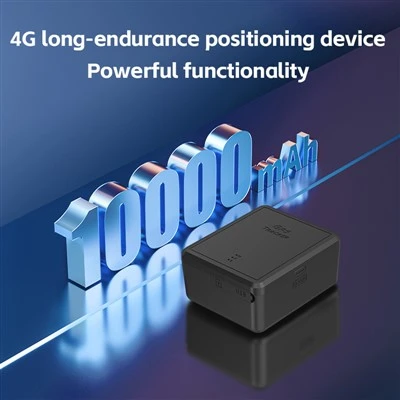
GPS Tracker If you’re a commercial vehicle operator interested in enhancing the safety and efficiency of your fleet, we invite you to contact us to discuss your purchase. Our driving assistance devices can provide you with the peace of mind and competitive edge you need in today’s demanding transportation market. Don’t hesitate to reach out and start the conversation about how our products can benefit your business.
References
- Federal Motor Carrier Safety Administration (FMCSA). Various reports on commercial vehicle safety statistics.
- Insurance Institute for Highway Safety (IIHS). Studies on the effectiveness of forward – collision warning systems.
- European Union regulations on mandatory safety features for commercial vehicles.
Shenzhen Xuneng Chuangxiang Technology Co., Ltd.
Shenzhen Xuneng Chuangxiang Technology Co., Ltd. is one of the most professional driving assistance device manufacturers and suppliers in China, featured by quality products and good service. Please rest assured to buy bulk customized driving assistance device made in China here from our factory. For price consultation, contact us.
Address: Room 515, Fuxiang Building, No.1 Wenming Road, East Zone, Baishixia Community, Fuyong Subdistrict, Bao’an District, Shenzhen City
E-mail: xn.sungang@gmail.com
WebSite: https://www.szxunneng.com/
