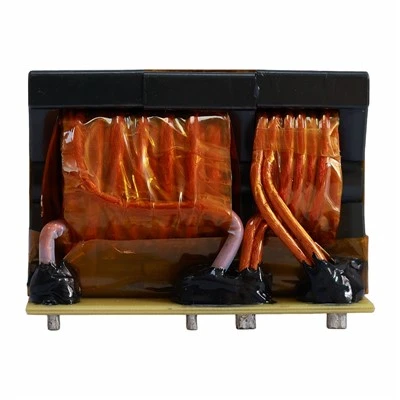
In the ever – evolving landscape of power supply circuits, common mode inductors play a vital role. As a supplier of common mode inductors, I have witnessed firsthand the importance of understanding the requirements for these components. In this blog, I will delve into the key requirements for a common mode inductor in a power supply circuit, based on my years of experience in this industry. Common Mode Inductor
Electrical Characteristics Requirements
Inductance Value
The inductance value of a common mode inductor is a fundamental parameter. It determines the inductor’s ability to suppress common – mode noise. In most power supply circuits, the inductance value needs to be carefully selected according to the frequency range of the noise to be filtered. For low – frequency noise, a relatively high inductance value is often required. This is because the reactance of an inductor, (X = 2\pi fL) (where (f) is the frequency and (L) is the inductance), increases with the increase of inductance and frequency.
For example, in a power supply circuit for a consumer electronics device operating at the mains frequency (50Hz or 60Hz), a common mode inductor with an inductance value in the range of several milli – henries ((mH)) may be necessary to effectively suppress low – frequency common – mode interference. However, if the circuit is dealing with high – frequency noise, such as in a switching power supply where the switching frequency can be in the kilo – hertz ((kHz)) or even mega – hertz ((MHz)) range, a lower inductance value may be sufficient. Manufacturers need to precisely control the inductance value during the production process. We at our company use advanced winding techniques and high – precision testing equipment to ensure that the inductance values of our common mode inductors meet the strict specifications required by different power supply circuits.
DC Bias Current Tolerance
Power supply circuits often carry direct – current (DC) bias currents. A common mode inductor’s performance can be affected by this DC bias current. When a DC current flows through the inductor, it can cause magnetic saturation of the core material. Once the core saturates, the inductance value drops significantly, and the inductor loses its ability to suppress common – mode noise.
For power supply circuits with large DC bias currents, such as in some high – power industrial power supplies, a common mode inductor with a high DC bias current tolerance is required. We select core materials with high magnetic saturation flux density, such as iron – based powder cores or high – permeability ferrite cores, to improve the DC bias current tolerance of our inductors. By carefully designing the winding structure and using appropriate core materials, we can ensure that our common mode inductors maintain stable inductance values even under high DC bias conditions.
Insertion Loss
Insertion loss is a crucial indicator of the effectiveness of a common mode inductor in suppressing noise. It represents the attenuation of the common – mode signal at a specific frequency when the inductor is inserted into the circuit. A higher insertion loss means better noise suppression performance.
The insertion loss of a common mode inductor is related to its inductance value, winding resistance, and the characteristics of the core material. In power supply circuits, different applications have different requirements for insertion loss. For example, in audio power supply circuits, a high insertion loss at the audio frequency range (20Hz – 20kHz) is required to ensure high – quality sound output by reducing common – mode noise. In communication power supply circuits, a high insertion loss at high – frequency ranges (e.g., several MHz) may be more important to prevent interference with communication signals. We conduct extensive testing on our products to measure the insertion loss at different frequencies and optimize the design of our common mode inductors to meet the specific insertion loss requirements of various power supply circuits.
Physical Characteristics Requirements
Size and Form Factor
In modern power supply designs, space is often a critical factor. As a result, there is a growing demand for smaller and more compact common mode inductors. Different power supply circuits have different requirements for the size and form factor of the inductor.
In portable electronic devices such as smartphones and laptops, where space is extremely limited, surface – mount technology (SMT) common mode inductors with small footprints are preferred. These SMT inductors can be easily integrated into the printed circuit board (PCB) layout, reducing the overall size of the power supply. On the other hand, in some industrial power supplies, where there is more space available, through – hole mounted common mode inductors may still be used. However, even in these cases, there is a trend towards more compact designs to improve the power density of the power supply. Our company offers a wide range of common mode inductors in different sizes and form factors to meet the diverse needs of our customers. Whether it’s a miniature SMT inductor for a consumer device or a larger through – hole inductor for an industrial application, we can provide the right solution.
Heat Dissipation
During operation, common mode inductors generate heat due to the resistance of the windings and the hysteresis losses in the core material. Excessive heat can affect the performance and reliability of the inductor. Therefore, good heat dissipation characteristics are essential.
We design our common mode inductors with heat dissipation in mind. For example, we use low – resistance winding materials to reduce the power loss in the windings. Additionally, we optimize the core material and its shape to reduce hysteresis losses. In some cases, we may also add heat – sink structures or use materials with high thermal conductivity to improve the heat transfer from the inductor to the surrounding environment. This ensures that our common mode inductors can operate stably at high – power levels without overheating.
Environmental Requirements
Temperature Range
Power supply circuits can operate in a wide range of temperatures. Common mode inductors need to be able to maintain stable performance within this temperature range. Extreme temperatures can affect the electrical and physical properties of the inductor.
At low temperatures, the resistance of the winding material may increase, and the magnetic properties of the core material may change. At high temperatures, the core material may experience thermal aging, and the insulation of the windings may be damaged. We test our common mode inductors under different temperature conditions to ensure that they can operate normally within the temperature range specified by the application. For example, in automotive power supply circuits, which need to operate in a wide temperature range from – 40°C to 125°C, our inductors are designed and tested to meet these strict temperature requirements.
Humidity and Moisture Resistance
In some environments, such as outdoor or industrial settings, common mode inductors may be exposed to high humidity or moisture. Moisture can cause corrosion of the winding material and deterioration of the insulation, leading to a decrease in the performance and reliability of the inductor.
We use moisture – resistant materials and protective coatings in the production of our common mode inductors. For example, we may apply conformal coatings to the inductors to protect them from moisture and dust. In addition, our manufacturing facilities maintain strict environmental control to ensure the quality of the products during the production process, reducing the risk of moisture – related damage.
Compatibility and Reliability Requirements
Compatibility with Other Components
In a power supply circuit, a common mode inductor needs to be compatible with other components, such as capacitors, resistors, and semiconductors. The interaction between the inductor and these components can affect the overall performance of the circuit.
For example, when a common mode inductor is used in combination with a capacitor to form a filter circuit, the resonance characteristics of the inductor – capacitor combination need to be carefully considered. Improper resonance can lead to over – voltage or over – current conditions in the circuit, which may damage other components. We provide technical support to our customers to help them select the right common mode inductors and ensure their compatibility with other components in the power supply circuit.
Reliability and Long – Term Stability
Power supply circuits are often required to operate continuously for long periods. Therefore, the reliability and long – term stability of common mode inductors are of utmost importance. We follow strict quality control procedures in our manufacturing process, from material selection to final product testing.
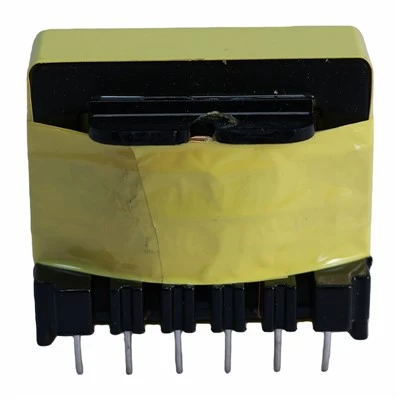
We conduct various reliability tests on our products, including temperature cycling tests, humidity tests, and high – voltage tests. Our products are designed to meet international quality and safety standards, ensuring that they can provide stable performance over a long service life.
Isolation Transformer In conclusion, the requirements for a common mode inductor in a power supply circuit are diverse and complex. As a professional common mode inductor supplier, we are committed to meeting these requirements by providing high – quality products with excellent electrical and physical characteristics, environmental adaptability, compatibility, and reliability. If you are in the need of common mode inductors for your power supply circuit applications, we would be delighted to have a discussion with you about your specific requirements. Contact us to start a procurement negotiation and find the perfect common mode inductors for your projects.
References
- “Power Electronics: Converters, Applications, and Design” by Ned Mohan, Tore M. Undeland, and Wiley.
- “Handbook of Transformers for Electronics Engineers” by Colonel David C. Burger.
Dongguan Hensiron Electric Co., Ltd.
As one of the most professional common mode inductor suppliers in China, we have world-leading production equipment and strong manufacturing capabilities. Please feel free to buy high quality common mode inductor made in China here from our factory. Customized orders are welcome.
Address: Building 4, Xinxing Industrial Zone, Wangao Road, Wanjiang Street, Dongguan City, China
E-mail: jessica@dghensiron.com
WebSite: https://www.dghensiron.com/
