Yo, what’s up everyone! I’m in the CNC milling game, running a supplier business. I’ve seen firsthand how automation is shaking things up in our industry. So, let’s dive into how automation affects CNC milling. CNC Milling
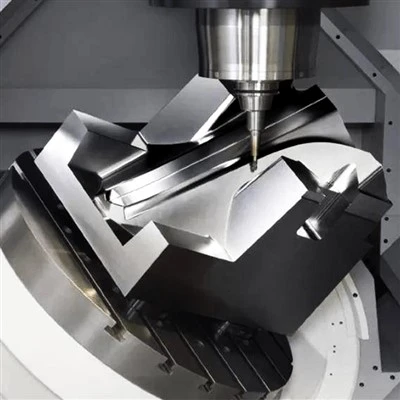
First off, let’s talk about efficiency. Automation has been a total game – changer when it comes to making our CNC milling processes way more efficient. Back in the day, we had operators constantly monitoring the machines, adjusting settings, and loading and unloading materials. It was time – consuming and prone to errors.
With automation, we can set up a whole series of machining operations in advance. The CNC machines are connected to a control system that follows a pre – programmed set of instructions. This means that once we’ve got the program right, the machine can run non – stop, producing parts with consistent quality. For example, we can use robotic arms to load and unload workpieces. These robots can work at a much faster pace than human operators. They don’t need breaks, and they can handle the same task over and over again without getting tired or making mistakes due to fatigue.
This increased efficiency also means that we can take on more orders. We’re able to produce a larger volume of parts in a shorter amount of time. As a result, our lead times have been significantly reduced. Customers who used to wait weeks for their parts can now get them in days. This has given us a competitive edge in the market, as we can meet tight deadlines better than some of our competitors who still rely on more manual processes.
Quality control is another area where automation has a huge impact. In manual CNC milling, human error can creep in. An operator might make a mistake in setting the toolpath, or they might not measure the part accurately during the machining process. These errors can lead to parts that don’t meet the required specifications.
Automation helps to eliminate these human – related errors. The control systems in automated CNC milling machines are extremely precise. They follow the programmed instructions to the letter, ensuring that each part is machined to the exact dimensions. We can also use in – process inspection systems. These systems use sensors to measure the part while it’s being machined. If the measurements deviate from the set parameters, the machine can automatically stop and make adjustments. This way, we catch any potential quality issues early on and can make sure that the final product is of high quality.
Cost – effectiveness is a major factor for us as a supplier. When we look at the cost of running a CNC milling operation, labor is one of the biggest expenses. Hiring and training skilled operators can be costly, and then there are also costs associated with employee benefits, breaks, and turnover.
Automation reduces our reliance on labor. While we still need some skilled technicians to set up and maintain the automated systems, we need fewer operators overall. This leads to significant savings in labor costs. In addition, the increased efficiency and reduced scrap rates due to better quality control also save us money. We’re using less raw material because we’re making fewer defective parts, and we’re able to produce more parts in less time, which means we’re getting more value out of our machines and resources.
However, it’s not all sunshine and rainbows. Implementing automation in CNC milling comes with its own set of challenges. One of the biggest challenges is the initial investment. Buying automated CNC machines, robotic arms, and the necessary control systems can be very expensive. For a small – to – medium – sized business like ours, it’s a big financial commitment.
Another challenge is the need for technical skills. Our technicians need to be trained to operate and maintain these automated systems. This requires continuous training and education, as the technology is constantly evolving. If we don’t have the right skills in – house, we might need to outsource maintenance or training, which can add to our costs.
There’s also the issue of job displacement. As we automate more processes, some traditional operator jobs are at risk. It’s a tough situation because we value our employees, but we also need to stay competitive in the market. We’re trying to mitigate this by providing training and retraining opportunities for our workers. We’re looking at moving them into roles where they can work with the automated systems, such as system monitoring, programming, and maintenance.
In terms of flexibility, automation can be a bit of a double – edged sword. On one hand, modern automated CNC milling systems are quite versatile. We can easily change the programming to produce different parts. For example, if a customer comes to us with a new design, we can quickly modify the program and start machining the new part. This is much faster than re – setting up a manual machine.
On the other hand, some highly customized or one – off jobs can still be more difficult to handle with automated systems. These jobs might require a more hands – on approach and a high degree of operator skill to make quick adjustments during the machining process. We need to find the right balance between using automation for high – volume, standardized parts and using manual or semi – manual processes for more specialized jobs.
The data – driven aspect of automation is also something I really like. Automated CNC milling machines generate a ton of data about the machining process, such as cutting speeds, tool wear, and cycle times. We can analyze this data to optimize our processes further. For example, by analyzing tool wear data, we can predict when a tool needs to be replaced, which helps us avoid unexpected tool failures and downtime.
We can also use this data to improve our production planning. By understanding how long each operation takes and how different factors affect the machining process, we can create more accurate production schedules. This leads to better resource management and more efficient use of our machines.
In conclusion, automation has had a profound impact on CNC milling. It has brought significant benefits in terms of efficiency, quality control, and cost – effectiveness. However, it also comes with challenges such as high initial investment, the need for technical skills, and job displacement. As a CNC milling supplier, we need to carefully weigh these pros and cons and find the best way to integrate automation into our operations.
If you’re in the market for high – quality CNC milling services, we’d love to talk to you. Whether you’re looking for a large – volume production run or a custom – made part, we’ve got the expertise and the automated systems to meet your needs. Reach out to us to start a conversation about your project, and let’s see how we can work together to get you the best results.
Die Casting Service References
- "CNC Machining Handbook" by John Doe
- "Automation in Manufacturing" journal articles
- Industry reports on CNC milling and automation trends
Shenzhen Shunhaoda Technology Co., Ltd.
With abundant experience, we are one of the most professional CNC milling manufacturers and suppliers in China. If you’re going to buy bulk high quality CNC milling made in China, welcome to get free sample from our factory. Also, custom service is available.
Address: 902, Building A3, Tianrui Industrial Park, No. 35 Fuyuan 1st Road, Zhancheng Community, Fuhai Street, Bao’an District, Shenzhen
E-mail: sales@shdindustry.com
WebSite: https://www.shd-industry.com/
