Hey everyone, it’s Jake here from your go-to automotive silicone hose supplier – you know, the guy who’s fielded way too many “wait, can I use this for EGR?” questions in the last month alone. If you’re digging into a DIY engine rebuild, troubleshooting a persistent check engine light, or just updating your fleet’s underhood setup, this is the question you’ve probably typed into Google way too many times. Let’s cut through the forums’ mixed takes and get real, no jargon, no AI fluff – just what I’ve learned from working with silicone hoses day in and day out, plus what our engineers have double-checked for our shop and our regular clients. Automotive Silicone Hose
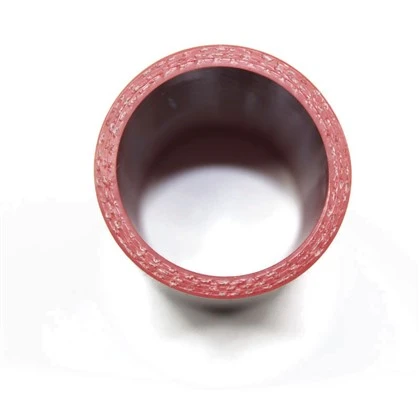
First, let’s actually break down what an EGR system does, because if you skip that part, you’re just guessing. Exhaust Gas Recirculation is that whole setup that shunts a tiny bit of your engine’s hot, post-combustion exhaust gas back into the intake manifold. Why? To lower combustion temps, cut down on NOx emissions (that gunk that makes your state’s emissions test a nightmare), and even keep your engine from knocking if you’re running a little extra boost or higher compression. Sounds simple, right? But that exhaust gas isn’t just hot air – it’s got grit, tiny carbon particles, leftover fuel residue, and a good amount of moisture from condensation, especially when your engine’s cold. That environment is brutal on hoses.
Now, automotive silicone hoses – what makes them different from the rubber hoses that come stock? Regular EGR hoses are usually nitrile rubber or EPDM, cheap, but they fall apart fast in that EGR space. Silicone, on the other hand, is that squishy, heat-resistant stuff we all know from radiator hoses, but it’s also way more flexible, less prone to cracking, and holds up to chemicals better than most rubbers. But does that mean every silicone hose works for EGR? Nope. That’s where the confusion starts, and where I see people mess up all the time.
Let’s get to the core question: can you use automotive silicone hoses for EGR? The short answer is… maybe. Wait, that’s not a cop-out, trust me. It all boils down to what the EGR system in your specific car (or truck, or equipment) is actually running into. Let’s list the factors that matter, because that’s the stuff no forum post will tell you.
First up: temperature. EGR hose locations vary so much it’s not even funny. Some are right next to the exhaust manifold, so they’re sitting in 500°F+ exhaust heat for constant stretches. Others are farther away, hanging near the intake, so tops out around 250°F max. Standard general-purpose silicone hoses – the blue or red ones you pick up at auto parts stores for radiator overflows – usually max out around 350°F continuous, with a short-term spike of 400 or 450. If your EGR hose is in a super hot spot? That’s a problem. Continuous temps over 350°F will make regular silicone harden, crack, and lose flexibility way faster than it should. But wait – we make high-temperature silicone hoses for exactly that, rated for 500°F continuous, even short bursts up to 600. Those work for the hot EGR spots, no question.
Next: that gunk in EGR gas. Carbon, soot, leftover additives from exhaust, and moisture. Standard silicone hoses are pretty good against chemicals, but wait – do you know what eats away at some silicone blends? Ethanol? No, wait, it’s the sulfur and other combustion byproducts that get trapped in EGR gas. Wait, let me confirm that with our engineers – yeah, EGR-specific silicone hoses are formulated to resist that constant exposure to exhaust byproducts, not just heat. Regular silicone might hold up for a month, but after a year, you’ll notice it’s getting sticky or brittle from the soot and acids. Our EGR silicone hoses get extra cross-linked during manufacturing, so they don’t break down from that chemical exposure. That’s a big difference.
Then there’s pressure and flow. EGR systems don’t have super high pressure, right? They’re usually running at low pressure, just enough to push the exhaust gas back into the intake. But some modern diesel EGR systems – especially on heavy-duty trucks – are high-pressure, with way more force behind that gas. Silicone hoses can handle pressure, but again, it’s about the wall thickness and the reinforcing. General-purpose silicone hoses have a single layer of polyester reinforcement, good for low-pressure radiator use, but high-pressure EGR needs double-layer or even triple-layer reinforcement, plus wire braid sometimes, to keep the hose from bulging or blowing out. I’ve seen a guy put a standard silicone hose on his diesel’s high-pressure EGR pipe, and it split open 100 miles into his road trip. Not fun, and not covered by the part warranty either.
Wait, but what about aftermarket vs. OEM? A lot of our clients ask, “why would I pay more for your silicone EGR hose when I can grab a cheap rubber one from the auto parts store?” Let’s be real – cheap rubber EGR hoses cost like $10, but they last 6 months to a year, max. Silicone hoses? If you get the right kind, they’ll last 5-10 years, no cracking, no leaks, no check engine lights from a bad hose. Plus, silicone is way easier to install – it’s flexible enough to fit tight bends without clamping, and it doesn’t degrade from oil or moisture like rubber does. I had a guy last month who replaced his EGR rubber hose twice in a year, switched to our high-temp EGR silicone hose 8 months ago, and he just texted me saying it’s still perfect.
But here’s the big “don’t do this” list, because I don’t want to see someone mess up their engine over a cheap hose. First: never use a standard radiator silicone hose for EGR. Radiator hoses are built for coolant, not exhaust gunk. Even if the temp is low, the chemical exposure will eat through it faster. Second: don’t skip the reinforcement. If your EGR system is even moderately pressurized, get a reinforced silicone hose, not a thin, unbraided one. Third: make sure the diameter matches. EGR hoses are specific sizes, and a bad fit will cause flow issues, which mess up your EGR system’s performance. Too small, and you get restricted flow, higher emissions, maybe a rough idle. Too big, and you get leaks, which trigger check engine lights.
Wait, let’s talk about real-world examples, because that’s what matters. I’ve worked with everything from 2000s Civic diesel builds to modern F-250 heavy-duty trucks. For a 2008 Civic’s EGR, which runs at max 300°F, low pressure, our standard high-temperature silicone hose works perfectly. We’ve had dozens of those go 6+ years without an issue. For a 2021 Ram 2500’s high-pressure EGR system, we use our double-reinforced EGR silicone hose, which is rated for 550°F and high pressure – the shop that uses our stuff for their fleet maintenance swears they’ve cut their EGR hose replacements by 75%. On the flip side, I once had a guy come in with a 2015 Corvette that had a check engine light, turned out he used a silicone vacuum hose for his EGR line – vacuum hoses are way too thin, and the constant exposure to exhaust gunk made it split within 2 weeks. That’s the exact mistake I want people to avoid.
Another thing: emissions testing. If you’re in a state that tests for emissions, a bad EGR hose will make your car fail, no question. Leaks, restricted flow, all that stuff messes with the EGR system’s ability to reduce NOx, so your emissions numbers will be through the roof. Silicone hoses that are properly formulated for EGR won’t cause that – in fact, a good silicone EGR hose can actually improve EGR flow because they’re smoother inside than rubber, so less turbulence, better gas transfer. That’s a plus no one talks about.
Wait, some people will say “but silicone is more expensive!” Yeah, upfront it is. But let’s do the math: a $15 rubber EGR hose that lasts 1 year is $15 per year. Our $50 EGR silicone hose that lasts 10 years is $5 per year. And that’s not even counting the time you spend replacing it, the hassle of taking your car in if you can’t do it yourself, and the risk of being stranded if the hose fails on a road trip. For most people, silicone is a way better long-term investment.
Now, let’s clear up some myths I see online. Myth #1: Silicone doesn’t handle hot exhaust. No, only the cheap, general-purpose stuff. EGR-specific silicone is made for that. Myth #2: All silicone hoses work the same. Nope – we test every batch of our EGR hoses for heat resistance, chemical resistance, and pressure ratings, so you know exactly what you’re getting, not just a random silicone hose from Amazon. Myth #3: EGR hoses only need to handle heat. Exhaust gas is way more corrosive than coolant, so chemical resistance is just as important. That’s why standard radiator hoses fail in EGR positions.
So, to circle back to the original question: yes, you can use automotive silicone hoses for EGR systems – but only if you get the right type. Don’t grab the first blue silicone hose you see at the auto parts store. Look for one that’s specifically rated for EGR use, check the temperature and pressure ratings to match your EGR setup, and make sure it’s reinforced enough for your system. If you’re not sure, just ask someone who knows – that’s where we come in, since we build these hoses for a living.
Here’s the thing: I get that car work can be overwhelming, and saving a few bucks on a hose feels like a win. But when it comes to your EGR system, cutting corners on the hose can lead to bigger problems – check engine lights failing emissions, hose leaks that can get other parts of your engine dirty, even breakdowns on the side of the road. A good EGR silicone hose is an upgrade that saves you time, money, and headache in the long run.
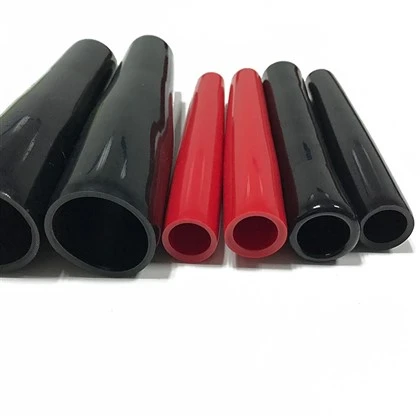
If you’re working on a build, replacing an old EGR hose, or just have questions about which hose is right for your setup, don’t hesitate to reach out to our team to talk through your needs. We can help you match the right silicone hose to your specific make and model, no confusing jargon, no pushy sales pitches – just real advice from people who work with these parts every single day.
Automotive Fuel Hose References:
- Society of Automotive Engineers (SAE) International. Performance Requirements for Silicone Rubber Hoses for Automotive Emission Control Systems. SAE J200, 2021.
- Automotive Chemical Resistance Handbook. CRC Press, 2020.
- Diesel Technology Forum. Exhaust Gas Recirculation (EGR) System Component Durability, 2022.
- Manufacturer Test Data: High-Temperature Silicone Hose Formulations for Automotive EGR Applications, 2023.
Ningbo Haidu Auto Parts Co., Ltd.
As one of the most professional automotive silicone hose manufacturers and suppliers in China, we’re featured by cheap products and good service. Please rest assured to buy durable automotive silicone hose at competitive price from our factory. Also, OEM service is available.
Address:
E-mail: Sale6@sterlingautoparts.com
WebSite: https://www.cnsiliconehose.com/
