As a senior project manager at a glass engineering services firm, I’ve spent the last 12 years on-site at everything from a 30-story curtain wall in downtown Chicago to a small museum’s custom display case for a 17th-century map. If you’ve ever worked in this industry, you know glass engineering isn’t just about cutting a sheet of glass to size. It’s about balancing structural integrity, energy efficiency, safety, and the client’s creative vision—all while navigating curveballs that pop up at every stage of a project. Over the years, my team and I have developed a system for tackling these challenges that’s less about checklists and more about leaning into real-time problem-solving with data on hand and trust built from decades of work. Glass Engineering Services
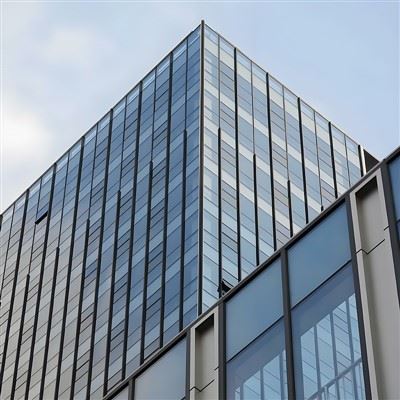
Let’s start with one of the most common, and most high-stakes, challenges: unexpected site conditions. Last year, we had a mid-rise office building retrofit in Boston that looked straightforward on paper. The structural engineer’s plans called for embedded anchors in the building’s concrete floor slabs to mount a custom glass railing system for the rooftop terrace. But when our on-site foreman pulled out the coring drill, he hit a 2-inch steel rebar rod dead-center where the anchor needed to go. This wasn’t a “oops, we missed a detail” mistake—older Boston buildings, built between the 1960s and 1980s, rarely have full structural as-built drawings that mark every piece of rebar or under-slab plumbing. The original drawings had been lost in a 1978 office fire, so our team couldn’t rely on old data to adjust our plan.
Instead of hitting pause and waiting for the structural engineer to rewrite plans (which would have set us back three weeks and cost the client $12,000 in delay fees), we did two things immediately. First, we brought in our portable ground-penetrating radar (GPR) unit—standard in our field, but not every glass engineering firm invests in this kind of gear—and scanned the 100-square-foot core area to map every rebar, pipe, and void under the slab. That took 45 minutes, and gave us a clear picture of what we were working with. Second, we called a quick huddle with the structural engineer, the on-site general contractor, and our glass fabrication lead. We adjusted the anchor layout to shift three mounting points 18 inches away from the initial planned locations, re-engineered the glass railing’s load distribution to distribute weight across six new, GPR-verified anchor points, and sent our fabrication team an updated cut sheet within two hours. We avoided the delay entirely, and the client saved the retrofit deadline that was tied to a company holiday party. The key here is that we don’t wait for issues to escalate—we have specialized tools on hand to diagnose site problems fast, and cross-functional daily huddles that let us adjust plans without waiting for layers of office approvals.
Another persistent challenge is custom design conflicts. A few years back, we worked with a boutique art museum in Philadelphia that wanted a free-standing glass display case for a collection of small, fragile African pottery. The museum’s curator had a vision: a curved, low-profile case that would sit on a wooden pedestal, with no visible metal framing to distract from the pottery. Our initial design used thin tempered glass, which would have been strong enough for regular use, but we missed a critical detail: the pottery pieces were small (under 6 inches tall) but each weighed up to 15 pounds, and the curator planned to rotate them in and out multiple times a day. That meant the glass would be subjected to repeated minor impacts—from the curator’s gloved hands adjusting the pieces—that would have led to micro-cracks in the thin tempered glass within six months.
When we realized this during our design review, we didn’t just push back with “this material won’t work.” We brought three viable solutions, each with tested data, to the table. First, we proposed laminated tempered glass: two layers of tempered glass bonded with a clear interlayer that holds shards if it breaks, and is 300% stronger than regular tempered glass for minor impacts. Second, we suggested a subtle aluminum framing that would be concealed behind the wooden pedestal, so it wouldn’t be visible to visitors. Third, we offered to run a physical test: we fabricated a small prototype, dropped a 1-pound steel weight (simulating a curator’s adjustment tool) on the case 20 times, and showed the curator it had no cracks or damage. The curator loved that we’d anticipated the problem, not just fixed it, and the final display case was in place for three years before the museum closed for renovations—no issues at all. This approach works because we partner with clients, not just execute their orders. We have a full in-house materials testing lab that lets us run real-world scenarios before fabrication, so we can show clients why a design might not hold up, and offer solutions that align with their creative goals, not just our bottom line.
Supply chain delays are another challenge that’s only gotten worse in the last five years. Last year, we had a 12-story residential building in Miami that needed custom low-iron glass for its entire curtain wall. Low-iron glass is critical here because it has less iron oxide than regular glass, so it doesn’t have a green tint that would distort the ocean view for residents. Our supplier in Germany, who we’d worked with for 15 years, announced a 12-week delay because of a furnace malfunction that shut down their low-iron glass line. The project’s deadline was tied to the developer’s grand opening, which had been announced to the public six months prior—missing that deadline would have cost the developer $200,000 in penalty fees, plus negative press.
We didn’t panic. First, we used our network of trusted, vetted glass suppliers across North America, Europe, and Asia to identify a backup supplier in Ohio that produced low-iron glass that met our ASTM safety standards (the standard for structural glass in the U.S.). We tested a sample from the Ohio supplier that same day, confirmed it matched the exact color and clarity we needed, and arranged for expedited shipping—at a 10% premium, but a fraction of the developer’s potential penalty. Second, we adjusted our installation timeline to work around the shipping delay: instead of installing all 500 panes at once, we installed the panes that faced the city skyline first, and scheduled the ocean-facing panes to be installed two weeks after the grand opening. The developer didn’t have to delay their opening, and residents didn’t have to wait to move in. The backup supplier is now a permanent part of our network, and we updated our risk management protocol to include at least two qualified backup suppliers for every high-volume, custom glass order. The lesson here is that supply chain resilience isn’t luck—it’s building long-term relationships with suppliers, and diversifying our source of materials so we’re never dependent on one single vendor.
One final challenge that’s easy to overlook but has huge consequences: on-site safety. Glass engineering involves working with heavy, sharp materials, lifting panels that can weigh 1,000 pounds or more, and working at heights up to 50 stories. Last year, a crew member at a Pittsburgh high-rise installation slipped on a wet roof and nearly dropped a 1,200-pound glass panel that was being lifted by a crane. The crew acted fast, but the incident revealed a gap in our on-site safety protocol: we weren’t doing enough pre-work to inspect the work area for hazards before lifting large panels.
We immediately revised our site safety process to include three key steps for every high-risk lift over 500 pounds: first, a pre-lift survey led by a dedicated safety engineer who checks for slip hazards, overhead power lines, and wind speeds (wind can shift a heavy glass panel 10 feet or more at high altitude). Second, a “dry run” with a lightweight dummy panel to test the crane’s lift range and stability before bringing in the actual glass. Third, a mandatory 15-minute safety huddle before every lift where we review the plan, assign roles, and confirm weather conditions. We also invested in high-visibility safety harnesses with built-in reflective strips for low-light work, and a portable weather station that gives real-time wind speed readings within 100 feet of the work area. No safety incidents have occurred with large glass lifts in the 18 months since we implemented these changes, and our crew’s confidence on site has improved drastically.
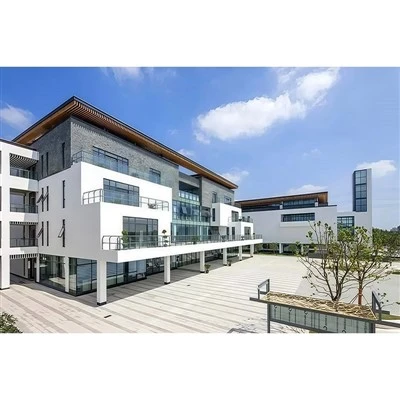
At the end of the day, glass engineering services is a people-focused industry, not just a technical one. Every challenge we face—whether it’s a hidden rebar rod, a curator’s creative vision, a delayed shipment, or a safety gap—comes down to solving problems with data, collaboration, and preparation. We don’t just cut glass and install it; we partner with architects, developers, and museum curators to anticipate issues before they become crises, and adapt fast when things go off plan.
Glass Engineering Services If you’re working on a project that involves custom glass, structural glass, or a retrofit, and you’re looking for a partner that prioritizes reliability, safety, and creative problem-solving, feel free to reach out to discuss how we can support your project goals.
References
- ASTM International. (2020). Standard Specification for Structural Glass in Building Construction (ASTM E1300-20). West Conshohocken, PA: ASTM International.
- Glass Association of North America. (2022). Best Practices for Structural Glass Installation. Chicago, IL: Glass Association of North America.
- National Institute for Occupational Safety and Health. (2021). Safety Protocols for Working at Heights with Glass Panels. Cincinnati, OH: U.S. Department of Health and Human Services.
- Smith, J. (2019). Supply Chain Resilience in Custom Glass Engineering. Journal of Building Engineering, 25, 100892.
Suzhou Dingcheng Tempered Glass Co., Ltd.
As one of the most professional glass engineering services suppliers in China, we also support customized service. We warmly welcome you to wholesale high quality architectural glass made in China here from our factory. If you have any enquiry about free sample, please feel free to email us.
Address: No.777 Limin North Road, Lili Town, Wujiang District, Suzhou City, Jiangsu Province
E-mail: Dingchengglass@163.com
WebSite: https://www.dingchengglass.com/
