When I first started working as a stainless steel tanks supplier over a decade ago, I thought my job was pretty straightforward: sell durable, shiny tanks that hold liquids without leaking. Early on, I’d get calls from potential clients asking for a “standard tank” for their brewery, dairy, or chemical processing plant, and I’d recommend the most common grade—304 stainless steel—and call it a day. That all changed when a craft brewer in Portland reached out, panicking because their brand new 304 steel tanks were showing weird pitting on the interior after three months of brewing sour beer. They’d adjusted their pH to 3.2 for better bacterial fermentation, and suddenly their tanks were deteriorating faster than they expected. That moment taught me a lesson I still pass on to every client today: pH isn’t just a number on a lab sheet—it’s one of the most impactful factors in how your stainless steel tanks perform, and getting it wrong can cost you thousands in repairs, product contamination, and downtime. Stainless Steel Tanks
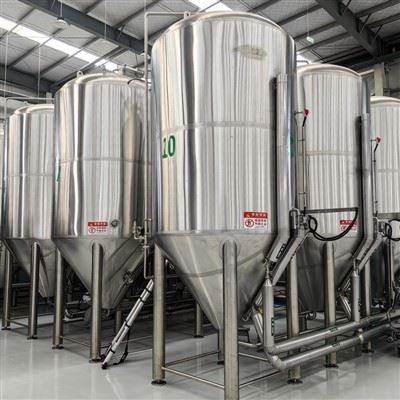
Stainless steel’s superpower is its passive chromium oxide layer, a thin, invisible film that forms on the surface when chromium (at least 10.5% by weight) reacts with oxygen. This layer acts like a shield, preventing the steel underneath from corroding. But that shield isn’t unbreakable—it’s highly sensitive to pH levels, which measure how acidic or basic a solution is on a scale of 0 to 14. A pH of 7 is neutral, anything below 7 is acidic, and anything above is basic, or alkaline. The passive layer holds up best in neutral to slightly alkaline environments, usually between pH 5 and 9. Step outside that range, and the chromium oxide film starts to degrade, leaving the steel vulnerable to corrosion.
Let’s break this down by the extremes first, because that’s where most of the common issues pop up. Acids with a pH below 5, like the sour beer that triggered my first big pH lesson, or citrus juices, vinegar, and even some common cleaning agents, are the biggest culprits here. When an acidic solution comes into contact with stainless steel, it can break down the passive layer two different ways. First, hydrogen ions in acidic solutions react with the chromium oxide, dissolving the shield and exposing the raw steel. Second, if there are any chloride ions present (think salt from brine or processed food), they can penetrate the weakened passive layer and cause pitting corrosion—small, deep holes that are almost impossible to repair without replacing the tank.
I’ve seen this firsthand with a small dairy farm client a few years back. They made fresh pickles, and their brine had a pH of 4.2. They were using 304 stainless steel tanks, which is standard for most dairy and food applications, but after six months, the tanks had developed pitting so bad that the brine was leaking into the surrounding storage area. A quick lab test of the brine showed it had higher levels of chloride than they’d realized, and the acidic environment plus chloride was a perfect storm for corrosion. I had to recommend they upgrade to 316 stainless steel for their new tanks—Grade 316 has molybdenum added, which makes it far more resistant to acidic and chloride-heavy solutions. That same client later told me the 316 tanks have now been in use for three years without a single sign of pitting.
But pH’s impact isn’t just about acidic extremes—high pH, above 9, can also cause problems, especially over long periods of time. This is most common in applications like alkaline cleaning, pharmaceutical processing, and some chemical manufacturing. When a solution is highly basic, it can cause intergranular corrosion, which attacks the grain boundaries of the stainless steel rather than the surface. This type of corrosion is trickier to spot early on, because it happens inside the metal structure, not just on the surface. By the time you notice signs like discoloration or leakage, the tank is already structurally compromised. I had a chemical processing client a few years ago who was using a highly alkaline cleaning solution (pH 11) to sanitize their tanks after every production run. They stuck with their original 304 tanks for two years, until a routine inspection found intergranular corrosion along the welds. If they’d adjusted their cleaning pH to be slightly less alkaline (around 8.5) or upgraded to a more corrosion-resistant grade like 304L or 316, they could have avoided that costly repair.
It’s not just extreme pH levels that matter, either—even small shifts in pH within the acceptable range can impact long-term tank performance. Many of my clients run processes that fluctuate between slightly acidic and slightly neutral, like winemaking or soft drink production. Winemakers, for example, often adjust their must’s pH to between 3.0 and 3.5 to optimize yeast activity. That’s well within the range where 304 stainless steel works, but if the pH drops even lower during malolactic fermentation, it’s wise to check the tank’s condition regularly. I recommend clients do quarterly pH testing of the liquids stored in their tanks, paired with interior visual inspections, to catch any early signs of corrosion before it becomes a major issue.
Another factor that amplifies pH’s impact is temperature. It’s a rule I repeat to every new client: heat accelerates almost every chemical reaction, including the breakdown of the passive chromium oxide layer. A solution with a pH of 4 that’s stored at room temperature might cause minimal corrosion over a year, but that same solution heated to 160°F for pasteurization can eat through a weak passive layer in a matter of months. I’ve seen craft breweries that heat their wort to boiling (around 212°F) with a pH of 5.5 in 304 tanks and have zero issues, but other breweries with lower pH wort running at the same temperature end up with noticeable corrosion within 18 months. Matching the tank grade to both your pH and temperature is non-negotiable.
So what does all this mean for someone shopping for stainless steel tanks? It’s not just about picking the shiniest tank or the cheapest grade—it’s about matching the tank’s material to your specific pH range and application. Let’s break down common grades and which pH ranges they work best for: Grade 304 is the workhorse, ideal for neutral to slightly acidic solutions between pH 5 and 8, like milk, soft drinks, and non-sour beer. Grade 316, with its molybdenum addition, is the go-to for acidic solutions below pH 5, especially those with chloride, like pickle brine, citrus juices, and sour beer. For highly alkaline applications above pH 9, 304L (a low-carbon version of 304 that resists weld-related corrosion) or 316L is usually the best bet. For even harsher environments, like pharmaceutical processing with very high or low pH, we also offer Grade 904L, which has even higher corrosion resistance than 316.
I always tell clients it’s better to plan ahead than deal with a crisis later. A client who comes to me with a project and shares their expected pH range, temperature, and the type of liquid they’ll be storing or processing gets a recommendation tailored exactly to their needs, not a one-size-fits-all solution. That small step saves them from the headache of replacing tanks after a year or dealing with product contamination. Last year, a craft distillery reached out saying they’d already had to replace two 304 tanks because their new whiskey had a pH of 3.8. I suggested 316 tanks with a passivated interior (a process that removes free iron from the surface to strengthen the passive layer) and they’ve had zero issues since.
One common mistake I see is clients skipping the interior treatment process, especially when working with pH that’s at the edge of a grade’s range. Passivation is a critical step that involves treating the stainless steel surface with a nitric acid or citric acid solution to remove surface contaminants and build up a thick, stable chromium oxide layer. Without proper passivation, even 316 tanks can develop pitting when exposed to low pH over time. I include passivation for all my tanks, but I always remind clients to never skip it, even if they’re on a tight budget.

If you’re in the market for stainless steel tanks for your brewery, dairy, chemical plant, or food processing operation, don’t leave pH out of your decision-making. Knowing your average pH range, any fluctuations in pH during your process, and whether your solutions have chlorides or other contaminants will help you pick a tank that lasts for years, not months. To get the right fit for your specific needs, reach out to our team of experts to discuss your application details. We’ll walk you through the best tank grade, size, and treatment options to keep your operations running smoothly and your product safe.
Auxiliary System References
ASM International. (2005). Corrosion: Understanding the Basics. ASM International.
Davis, J. R. (Ed.). (2001). Stainless Steels: ASM Specialty Handbook. ASM International.
Fontana, M. G. (1986). Corrosion Engineering (3rd ed.). McGraw-Hill.
Wenzhou Jinggong Machinery Equipment Co., Ltd.
We are one of the most professional stainless steel tanks manufacturers and suppliers in China. With abundant experience, we warmly welcome you to buy customized stainless steel tanks at competitive price from our factory. If you have any enquiry about quotation, please feel free to email us.
Address: No.Jiadi Industrial Zone, Yaoxi Town, Longwan District, Wenzhou City, China.
E-mail: jinggong2026@163.com
WebSite: https://www.jg-ind.com/
