Hey there, if you’ve ever walked past a modern building and thought, “Wait, that beam is way different than the ones my grandpa used for his deck,” you’re not wrong. As a timber beam supplier, I see this shift every single day—timber hasn’t just been lumber for framing houses for decades now. We’re talking about innovations that make it stronger, greener, and way more versatile than anyone would’ve guessed even 15 years ago. Let me break down what’s actually changing in timber beam tech right now, from stuff we’re already delivering to jobsites to the next big thing that’s on our warehouse floor waiting to ship. Timber Beam
First off, let’s get real about the big name everyone’s talking about but not everyone gets right: cross-laminated timber, or CLT for short. I know, you’ve heard it’s for skyscrapers, but let’s go past the hype. When I started in this business, timber beams were basically solid sawn—cut straight from a tree, usually no bigger than 12 inches thick, and prone to cracking if you looked at ‘em wrong. CLT beams? They’re made by gluing layers of wood together at 90-degree angles, like a woody sandwich. The cross-grain lamination is the game-changer here. That means it doesn’t twist or warp like solid sawn, even if it’s 10 feet wide and 30 feet long. Last month, we supplied CLT glulam beams (wait, no—CLT’s a panel, but we do glue-laminated timber too, which is another big one) for a school expansion. The architects wanted big, open classrooms with zero middle columns, and regular solid beams couldn’t span 40 feet without sagging. Our glulam CLT hybrid beams? They handled it no problem, and the construction team even said they were lighter than steel beams of the same size, which made lifting way easier and safer on the crew. I don’t have to tell you site safety is huge—less heavy stuff means fewer injuries, and that’s a win for everyone.
Wait, glulam deserves its own shout-out too, because modern glulam isn’t your dad’s glulam. Back in the day, glulam was just thin layers glued with formaldehyde-based adhesives that smelled weird and off-gassed for years. Now? We use moisture-curing polyurethane adhesives that are basically VOC-free—so they don’t pollute indoor air, which is massive for homes, hospitals, and schools. The innovation here isn’t just the glue, though. We can grade each individual wood lamella before gluing it up. If one board has a small knot that’s fine for the top layer, we put it there, and a clearer, stronger board goes in the core. That means we’re not wasting good wood—so the beams are more affordable and way stronger than old-school glulam. Last quarter, we did a residential project where the homeowner wanted a huge open-concept great room with no support posts. A steel beam would’ve cost them twice as much, and it would’ve been cold to the touch in winter. Our modern glulam beam? It had a curved profile, so it looked like a solid log but was actually engineered, and it kept the room warm because wood’s a natural insulator. The homeowner posted a pic on Instagram, and we got three calls from neighbors asking about it—win for us, win for them.
Now, here’s the part that’s not just for big commercial or custom jobs: nail laminated timber, or NLT. I know what you’re thinking—nails in beams? That sounds sketchy, right? But hear me out. NLT beams (or panels, but we use ’em as beams for smaller spans too) are made by stacking solid planks on top of each other, then driving nails every couple inches to lock ’em together. No glue, no fancy adhesives. That makes them super quick to install. For small builders doing affordable housing, NLT is a game-changer because you don’t have to wait for glue to dry—you can set the beams up and start framing the next day. We’ve been supplying NLT for a bunch of tiny home developments lately, and the builders love that it’s lightweight enough for a two-person crew to lift, no crane needed. It’s not as strong as CLT or glulam for super long spans, but for 10 to 20 foot spans, it’s cheap, fast, and way more sustainable than steel or concrete. Plus, if someone wants to take their tiny home apart and move it later, the NLT is easy to disassemble and reuse—nothing’s glued permanently, so you’re not wasting materials when you move. That’s the circular economy stuff that actually works, not just buzzwords.
Wait, let’s talk about durability, because a lot of people still think timber rots or gets eaten by bugs. Modern timber beam tech has fixed that, big time. We don’t just use pressure-treated lumber for all beams anymore—though treated is still around for outdoor stuff like deck beams. The new stuff is modified wood beams, specifically thermal-modified timber. What’s that? We heat the wood in an oxygen-free oven to like 200 degrees Celsius, which changes the chemical structure of the wood so it repels water, resists rot, and keeps bugs away. No toxic chemicals, no off-gassing. We supplied thermal-modified beams for a community garden pavilion last year, and the city’s been using it for a year now—no rot, no splinters, nothing. They even put a picnic table on top of it, and it’s held up way better than the pressure-treated beams they used for a pavilion five years ago. The best part? It’s all natural—you can get the same look as weathered cedar without waiting 10 years for it to age, and it’s way more durable.
Oh, and can we talk about engineered timber with reinforcement? Yeah, that’s a thing now. We’ve started supplying timber beams that have a fiber core inside—usually carbon fiber or even high-strength glass fiber. Think of it like a wooden beam with a hidden steel bar, but lighter and way stronger. Last year, we did a commercial office renovation where the existing building had concrete beams that were sagging, and replacing them with steel would’ve meant cutting out parts of the ceiling. Instead, we installed our reinforced timber beams—they fit right into the existing framework, are 30% stronger than regular glulam, and lighter than steel. The contractor finished the job a week early because they didn’t have to do major structural modifications, and the building owner saved like 20% on material costs. People don’t realize that reinforcement isn’t just for concrete—adding a fiber core to timber gives you the best of both worlds: the sustainability and insulation of wood, and the strength of a heavy material like steel, without the weight.
Wait, let’s get real about the sustainability angle, because that’s why we’re all in this business in the first place. Everyone knows trees absorb carbon, but modern timber beams actually store carbon for their whole life. A steel beam? It’s made from iron ore, which takes a ton of energy to mine and process, and it doesn’t store carbon. A concrete beam? Even worse, it’s one of the biggest sources of carbon emissions globally. Our modern timber beams—whether it’s CLT, glulam, NLT, or reinforced—are made from trees that are harvested from FSC-certified forests, where they replant one tree for every one they cut. Plus, the manufacturing process for these beams uses way less energy than steel or concrete. We have a customer who built a 5-story apartment building entirely out of CLT and glulam—they calculated that the building stored over 1,000 tons of carbon, which is the same as taking 200 cars off the road for a year. That’s not just a nice stat; that’s actual impact. And as a timber beam supplier, that’s the stuff that makes me excited to come to work every day. I’m not just selling beams—I’m helping build things that are better for the planet.
But wait, let’s not forget the small stuff that makes a huge difference for builders. Modern timber beams come with pre-drilled holes for plumbing, electrical, and HVAC lines. No more guessing where to cut a hole and accidentally weakening the beam—we engineer the holes at the factory, so they’re perfectly placed and don’t affect the strength. That cuts down on site time by like 20%, from what our customers tell us. Also, a lot of our beams are pre-finished, so builders don’t have to sand or paint them on-site, which saves time and reduces waste. Last month, a carpenter told me that using our pre-engineered, pre-finished glulam beams cut his framing time for a house by three days. That’s three days he can move on to another job, which means more money for him, and more houses built faster.
Now, let’s get down to what this means for you, whether you’re a builder, architect, or homeowner. A lot of people still think timber beams are only for cabins or small homes, but that’s not true anymore. We’ve supplied beams for everything from single-family homes to 12-story office buildings to community centers. The innovations I’m talking about aren’t just niche tech—they’re available to everyone now. Thermal-modified beams for outdoor decks, NLT beams for affordable housing, CLT glulam hybrid beams for big commercial projects, reinforced beams for renovations. It’s all on our warehouse floor, ready to ship, no matter what size job you’re doing.
If you’re reading this and wondering if modern timber beams are right for your next project, or if you’ve never used them before and want to ask questions, hit us up. We don’t do boring sales calls—we’ll walk you through the different types, help you figure out what’s best for your span, load requirements, and budget. We can send you samples, answer questions about strength ratings, VOC levels, whatever you need. And since we’re a timber beam supplier that’s been in the game long enough to know the difference between a gimmick and something that actually works, we’ll be honest with you if timber isn’t the right fit for your project. But more often than not, it is—stronger, cheaper, faster to install, and way better for the planet than steel or concrete.
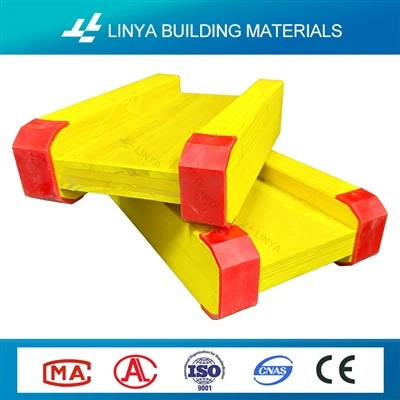
At the end of the day, timber beam tech has come a long way from the solid sawn beams of the past. It’s not just about using wood anymore—it’s about engineering it to be smarter, stronger, and more versatile than anyone ever thought possible. As someone who’s seen this industry change over the last decade, I’m stoked to keep bringing these innovations to builders and homeowners. So if you’re ready to ditch the old, heavy, messy materials and try something that’s better for your project and the planet, reach out. We’re here to help you get the right beams for your job, no hassle, no fine print.
3 Ply Shuttering Panel References
- American Wood Council. (2023). Modern Timber Construction: Innovations in Engineered Wood Products.
- Forest Stewardship Council (FSC). (2024). Global Market Report for Certified Engineered Wood.
- International Code Council (ICC). (2022). Building Code Requirements for Engineered Timber Systems.
- Timber Research and Development Association (TRADA). (2023). Reinforced Timber Beams: Performance and Applications.
- U.S. Department of Energy. (2024). Energy Efficiency Benefits of Engineered Wood Construction.
Shenzhen Linya Building Materials Co., Ltd.
We are one of the most professional timber beam manufacturers and suppliers in China, also support customized service. Welcome to buy bulk high quality timber beam in stock here from our factory. If you have any enquiry about free sample, please feel free to email us.
Address: Bantian International Center, No.5 Huancheng South Road, Ma’antang Community, Bantian Street, Longgang District, Shenzhen
E-mail: linya@formworksteelprop.com
WebSite: https://www.linyabuildingmaterials.com/
