Hey there, fellow hotel folks and curious travelers alike!
I’m gonna keep this real. For over 8 years, I’ve been hands-on with hotel toiletries—hauling cases, testing stuff, talking to housekeeping teams, and answering random questions from guests who swear the shampoo at their favorite hotel is the “holy grail” of travel hair care. Today I’m breaking down the main shampoo types you’ll find in hotel showers, and spilling why they’re not just random bottles full of suds. If you’re a hotel manager picking toiletries, or a traveler wondering why that tiny bottle works (or doesn’t), this is for you. Hotel Toiletries
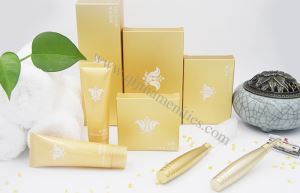
First off, let’s get one thing straight: hotel shampoo isn’t just fancy drugstore shampoo in a cute label. We have way different constraints than a regular hair care brand for home use. Think about it: every guest has different hair—curly, straight, oily, dry, color-treated, even the random person who uses bar soap on their hair (no judgment, but we see it). Hotel shampoo has to cover as many bases as possible without costing an arm and a leg, staying good for 12+ months on shelves, and being safe for everyone (including kids and people with super sensitive skin). I’ve had housekeepers yell at me before for giving shampoo that left a weird film in the shower—that’s the stuff we avoid.
Let’s start with the most common one, no surprises here: 2-in-1 Shampoo + Conditioner. This is the bread and butter. Why? Because it’s two products in one, cuts down on bottle clutter (housekeeping loves that—less to restock, less to toss), and works for the broadest range of hair types. Let’s be real: most hotel guests don’t want to haul two separate bottles, and even if they have frizzy curly hair, they’ll make this work for one night. From a supplier perspective, this is also the easiest to scale—we mix the formula once, fill a million bottles, and it’s ready to go. A lot of boutique hotels try to skip this for “luxury” 3-in-1 or separate shampoo/conditioner, but 9 times out of 10, they’ll come crawling back when housekeeping complains about the extra time, and guests leave review after review saying “I wish this had just been 2-in-1.” Fun little side note: I once worked with a small chain that swapped their 2-in-1 for separate stuff, and housekeeping’s shift time went up by 18 minutes a day. Multiply that by 20 hotels, 50 housekeepers each? That’s a ton of overtime. Worth it for the “vibe”? Maybe, but not for the numbers.
Next up, Clarifying Shampoo (often for resorts or busy urban hotels). You’ll find this at beachfront resorts, downtown hotels with convention crowds, or places that get a lot of guests who style their hair heavily—think dry shampoo, hairspray, gel, all that stuff. Clarifying shampoo is designed to strip away product buildup, salt water, chlorine, and even city grime. It’s strong, but we don’t make it too strong for hotel use—no one wants their guest’s hair to feel like straw after one wash. As a supplier, we only send clarifying shampoo to hotels that ask for it (or whose clients we know need it). I learned this the hard way: we sent a case of clarifying shampoo to a family-owned mountain hotel that only got skiers and hikers with dry, wind-burnt hair. They got a dozen complaints in a week saying their hair felt “like hay.” Oops. Now we check in with every client first—what’s their guest demographic? Do they have a lot of convention-goers? Is it near a beach or a pool? That dictates if clarifying makes sense. Pro tip: Hotels often put clarifying shampoo in bigger bulk dispensers instead of tiny bottles, since it’s not for every guest. Way easier to restock.
Then there’s Moisturizing/Repair Shampoo—the “gentle” one, usually for hotels targeting luxury travelers, spa getaways, or family-friendly stays. Think resorts with couples’ retreat packages, hotels that cater to color-treated hair (blonde, brunette, all that), or places with a lot of senior guests who have dry, thinning hair. This stuff is loaded with emollients—think shea butter, argan oil, even oat protein—to hydrate without weighing hair down. The key here is that it’s not greasy. I’ve had luxury hotel clients come to me saying their moisturizing shampoo left a sticky film on shower walls, so we adjusted the formula to use lighter oils that rinse clean fast. Family hotels love this one too—kids with eczema or sensitive skin can use it without irritation, and parents don’t have to bring separate shampoo for the little ones. We did a trial with a Florida resort last year that put this moisturizing shampoo front and center in their “spa amenity kit,” and their repeat guest rate went up 11% among color-treated hair travelers. That’s not a fluke—guests will pay a little more for a shampoo that doesn’t leave their hair dry after a vacation.
Wait, there’s a wild card I almost forgot: Sulfate-Free Shampoo, which has blown up in hotels over the last 5 years. A lot of people think sulfate-free is just a “trend,” but here’s the real tea: sulfates (the stuff that makes shampoo suds like crazy) can be harsh on hair and skin, especially for people with sensitive scalps or color-treated hair. We now make a sulfate-free version of almost every single hotel shampoo we sell, because so many hotel managers are hearing from guests who refuse to use regular sulfate shampoo. The catch? Sulfate-free shampoo doesn’t lather as much—guests often complain, “this doesn’t feel like it’s cleaning my hair.” So we tweak the formula a little to add milder cleansers (cocamidopropyl betaine, for the chem nerds) that still get hair clean, even if they don’t suds up as much. I always tell hotel clients to put a little sign by the shampoo bottle: “Sulfate-free, gentle on scalp and color—rinses clean!” That cuts down on complaints a ton. I once had a guest at a luxury NYC hotel email us (they tracked us down via the bottle base) saying, “I finally found a sulfate-free hotel shampoo that doesn’t make my scalp burn.” That’s the stuff that sticks.
Now, let’s talk about the stuff you don’t find in hotel shampoo, even if you see it at drugstores. First, no super-high-end active ingredients like keratin or biotin (the big stuff in salon shampoo). Why? It would make the price per bottle jump way too high. A tiny 10ml hotel shampoo bottle costs like $0.20-$0.30 to make, max. If we loaded it with keratin, that’s $0.80 per bottle—hotels would pass that cost to guests, and no one books a $150 a night hotel to pay $5 extra for shampoo. Second, no super strong scents. A lot of hotel managers want “luxury” scents, but if the shampoo smells like a perfume counter, half the guests will complain the shower feels overwhelming. We stick to soft, neutral scents—vanilla, coconut, citrus—something that’s pleasant but not in your face. I once tested a shampoo with a super expensive sandalwood scent, and a hotel’s housekeeping team said they got 20 complaints from guests with asthma who couldn’t handle it. Scrapped that immediately. Third, no tiny bottles for super specific hair types. We don’t make hotel-only shampoo for “curly fine hair” or “thick coarse hair” for one reason: it’s not scalable. A hotel has 200 rooms, with 200 different hair types. One generic formula that works for most is way better than 10 separate formulas they’d run out of in a week.
Before I wrap this up, let’s get real quick about what makes a good hotel shampoo (from a supplier who’s seen it all): it has to rinse completely, no film left on shower walls or hair. It has to not dry out scalp or hair, even after 3+ guests using it in one day (we test that—leave a bottle in a shower for 48 hours, have 10 test subjects use it, check for irritation). It has to be stable—no separating in hot hotel rooms, no changing color after 6 months on a shelf. And it has to be affordable. That’s the holy trinity.
If you’re a hotel manager reading this (hi, I see you!), I don’t just make random shampoo and hope it works. I work with you directly to figure out exactly what your guests need: are you a beach resort with chlorine-heavy showers? We’ll adjust the clarifying shampoo. Are you a family hotel with lots of kids? We’ll crank up the gentle, moisturizing stuff. Are you a luxury boutique in the city? We’ll do a sulfate-free 2-in-1 with a soft signature scent. No one-size-fits-all here—this is what I do, day in and day out.

If you’re looking to upgrade your hotel’s toiletries, or just wanna chat about what works best for your guest demographic, hit me up. Let’s work together to get something that makes your guests happy, saves your housekeeping team time, and doesn’t break the bank. No generic sales pitches, no confusing fine print—just straight talk about hotel toiletries that actually work.
PLA Products References
- American Academy of Dermatology. (2022). Shampoo Ingredients: What You Need to Know for Healthy Scalp and Hair.
- Hotel Business. (2023). 2023 Trends in Guest Toiletries: Balancing Luxury, Function, and Cost Efficiency.
- International Journal of Hospitality Management. (2021). Guest Preferences for Hotel Toiletries: Demographic and Travel Pattern Correlates.
- Personal communication with hotel housekeeping teams, 2016–2024.
- Cosmetics Ingredient Review. (2020). Safety Assessment of Cocamidopropyl Betaine as Used in Cosmetics.
Address: 4th Floor, Beiyuan, Jiangguang Wisdom City Yangzhou, Jiangsu, China
E-mail: mike@ecohotelamenities.com
WebSite: https://www.ecohotelamenities.com/
