As a seasoned stuffed animal supplier, I’ve witnessed the evolution of these cuddly companions from simple toys to highly detailed, realistic works of art. In this blog, I’ll share some valuable insights on how to make a stuffed animal look more realistic, drawing from my years of experience in the industry. Stuffed Animal

1. Selecting the Right Materials
The foundation of a realistic stuffed animal lies in the quality of its materials. When choosing fabric, opt for those that closely resemble the texture of the real animal. For example, if you’re creating a bear, a plush fabric with long, shaggy fibers can mimic the bear’s fur. Synthetic furs are often a great choice as they are durable, easy to clean, and come in a wide range of colors and textures.
For the stuffing, high – quality polyester fiberfill is a popular option. It provides a soft and fluffy feel, similar to the natural body structure of animals. Some suppliers also use shredded foam or other specialty fillings for a more realistic weight and shape.
2. Accurate Design and Pattern Making
A realistic stuffed animal starts with a well – designed pattern. Study the anatomy of the real animal carefully. Note the proportions of the body, the shape of the head, ears, and limbs. Use reference images from books, the internet, or even real animals at a zoo.
When creating the pattern, pay attention to details such as the curvature of the back, the length of the legs, and the size of the paws. A well – proportioned pattern will make the stuffed animal look more lifelike. You can also add features like wrinkles, folds, or muscle definition to the pattern to enhance realism.
3. Facial Features
The face is the most expressive part of a stuffed animal. To make it look realistic, use high – quality eyes, noses, and mouths. Glass or plastic eyes can give a more realistic look compared to printed eyes. Choose eyes that are the right size and shape for the animal. For example, a large, round eye might be suitable for a cute rabbit, while a smaller, almond – shaped eye could work better for a fox.
The nose can be made from felt, leather, or other materials. It should be shaped and colored to match the real animal. For example, a bear’s nose is usually black and has a slightly moist appearance. You can use a special paint or fabric treatment to achieve this effect.
The mouth can be sewn or embroidered to create a natural expression. A slight smile or a relaxed open mouth can add a lot of character to the stuffed animal.
4. Color and Markings
The color and markings of a stuffed animal play a crucial role in its realism. Research the natural coloration of the animal you’re replicating. Some animals have unique patterns, such as stripes, spots, or patches. You can use fabric paints, dyes, or embroidery to add these markings.
When applying color, use a gradient effect to make it look more natural. For example, if you’re creating a tiger, the orange color should be darker on the back and lighter on the belly. This mimics the way light falls on a real animal’s body.
5. Pose and Posture
The way a stuffed animal is posed can greatly enhance its realism. Observe how real animals stand, sit, or lie down. For example, a cat might curl up in a ball when it sleeps, while a dog might sit with its ears perked up.
You can use wire or other support materials inside the stuffed animal to help it hold a specific pose. This will make it look more dynamic and lifelike. For example, if you want to create a flying bird, you can use thin wires to shape the wings and give them a natural curve.
6. Surface Textures
Adding surface textures can make a stuffed animal look more realistic. You can use different techniques to create textures such as fur, scales, or feathers. For fur, you can use a fur – like fabric or add individual strands of yarn to create a more detailed look.
For scales, you can use small pieces of fabric or plastic cut into scale shapes and glued or sewn onto the body. Feathers can be added to a bird – shaped stuffed animal using real or synthetic feathers.
7. Finishing Touches
The finishing touches can make a big difference in the overall realism of a stuffed animal. Trim any loose threads, and make sure the seams are neat and hidden. You can also add accessories such as collars, bows, or tags to give the stuffed animal a more personalized look.
If you’re creating a wild animal, you might want to add some dirt or mud stains to make it look more natural. You can use fabric paints or special effects powders to achieve this.
Why Choose Our Stuffed Animals?
At our company, we take pride in our commitment to creating high – quality, realistic stuffed animals. Our team of experienced designers and artisans uses the latest techniques and the best materials to ensure that each stuffed animal meets the highest standards of realism.
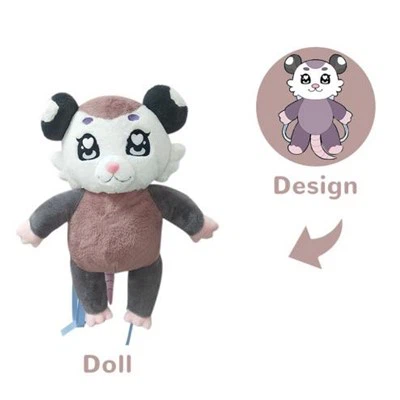
We offer a wide range of stuffed animals, from cute and cuddly pets to wild and exotic creatures. Whether you’re looking for a gift for a child or a collectible item, we have something for everyone.
Custom Plush Keychain If you’re interested in purchasing our stuffed animals or discussing a custom order, we’d love to hear from you. Our team is always ready to answer your questions and provide you with the best possible service. We believe that our realistic stuffed animals can bring joy and comfort to people of all ages, and we’re excited to share them with you.
References
- "The Art of Stuffed Animals: Creating Realistic and Lifelike Toys" by [Author’s Name]
- "Animal Anatomy for Artists" by [Author’s Name]
- Various online resources on animal behavior and appearance for reference images.
Yangzhou Beyman Toys Co., Ltd.
We are one of the most professional stuffed animal manufacturers and suppliers in China, specialized in providing high quality custom service and OEM&ODM service. We warmly welcome you to wholesale bulk stuffed animal made in China here from our factory.
Address: Room 305, North Bldg, 4 Bldg, Chuangfu Factory, No. 158, Jiannan Road, Hi-Tech Development Zone, Yangzhou City, Jiangsu Province, China.
E-mail: janzen3@beyman.cn
WebSite: https://www.plushtoyschina.com/
