As a supplier of Strand Pullers, I understand the critical importance of ensuring the pulling force of these machines meets the required standards. In this blog, I will share some effective methods for checking the pulling force of a Strand Puller, which can help you maintain the performance and safety of your equipment. Strand Puller

Why Check the Pulling Force?
Before delving into the checking methods, it’s essential to understand why checking the pulling force of a Strand Puller is so crucial. The pulling force is the core parameter that determines the machine’s ability to perform its tasks. If the pulling force is insufficient, the Strand Puller may not be able to pull the strands effectively, leading to delays in construction projects or even causing damage to the strands. On the other hand, if the pulling force is excessive, it can put unnecessary stress on the machine and the strands, increasing the risk of equipment failure and safety hazards. Therefore, regularly checking the pulling force is necessary to ensure the proper functioning and safety of the Strand Puller.
Methods for Checking the Pulling Force
1. Use a Load Cell
A load cell is a device that measures the force applied to it. It can be used to accurately measure the pulling force of a Strand Puller. To use a load cell, you need to connect it between the Strand Puller and the load (the strands being pulled). When the Strand Puller starts to pull, the load cell will measure the force exerted on it and display the result on a digital display.
Here are the steps to use a load cell to check the pulling force:
- Select the appropriate load cell: Choose a load cell with a capacity that is suitable for the expected pulling force of the Strand Puller. Make sure the load cell is calibrated and in good working condition.
- Install the load cell: Connect the load cell between the Strand Puller and the load. Ensure that the connection is secure and that the load cell is properly aligned.
- Start the Strand Puller: Operate the Strand Puller to start pulling the strands. The load cell will measure the pulling force and display the result on the digital display.
- Record the data: Record the pulling force data at regular intervals. Compare the measured pulling force with the rated pulling force of the Strand Puller to determine if it is within the acceptable range.
2. Use a Dynamometer
A dynamometer is another device that can be used to measure the pulling force of a Strand Puller. It works by measuring the torque applied to a shaft and converting it into a pulling force. To use a dynamometer, you need to connect it to the drive shaft of the Strand Puller.
Here are the steps to use a dynamometer to check the pulling force:
- Select the appropriate dynamometer: Choose a dynamometer with a capacity that is suitable for the expected pulling force of the Strand Puller. Make sure the dynamometer is calibrated and in good working condition.
- Install the dynamometer: Connect the dynamometer to the drive shaft of the Strand Puller. Ensure that the connection is secure and that the dynamometer is properly aligned.
- Start the Strand Puller: Operate the Strand Puller to start pulling the strands. The dynamometer will measure the torque applied to the drive shaft and convert it into a pulling force.
- Record the data: Record the pulling force data at regular intervals. Compare the measured pulling force with the rated pulling force of the Strand Puller to determine if it is within the acceptable range.
3. Perform a Pull Test
A pull test is a practical way to check the pulling force of a Strand Puller. It involves pulling a known load using the Strand Puller and measuring the force required to move the load.
Here are the steps to perform a pull test:
- Prepare the test setup: Select a suitable location for the pull test. Set up the Strand Puller and the load. Make sure the load is securely attached to the Strand Puller.
- Measure the load: Use a weighing scale to measure the weight of the load. Record the weight of the load.
- Start the pull test: Operate the Strand Puller to start pulling the load. Use a force gauge or a load cell to measure the pulling force required to move the load.
- Record the data: Record the pulling force data at regular intervals. Compare the measured pulling force with the expected pulling force based on the weight of the load.
Factors Affecting the Pulling Force
Several factors can affect the pulling force of a Strand Puller. Understanding these factors can help you ensure accurate measurement and proper operation of the machine.
1. Strand Material and Diameter
The material and diameter of the strands being pulled can have a significant impact on the pulling force. Different materials have different tensile strengths, and larger diameter strands require more pulling force to move. Therefore, when checking the pulling force, it’s important to consider the material and diameter of the strands.
2. Friction
Friction between the strands and the pulling mechanism can also affect the pulling force. If there is excessive friction, it can increase the pulling force required to move the strands. To reduce friction, you can use lubricants or ensure that the pulling mechanism is properly maintained.
3. Machine Condition
The condition of the Strand Puller itself can also affect the pulling force. A machine that is not properly maintained or has worn-out parts may not be able to generate the required pulling force. Therefore, it’s important to regularly inspect and maintain the Strand Puller to ensure its proper functioning.
Conclusion
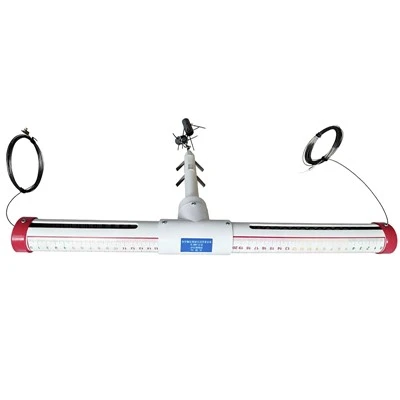
Checking the pulling force of a Strand Puller is an important part of ensuring its performance and safety. By using the methods described in this blog, you can accurately measure the pulling force and ensure that it is within the acceptable range. Remember to consider the factors that can affect the pulling force and take appropriate measures to maintain the machine’s performance.
Cable Tensioner If you are in the market for a high-quality Strand Puller or need more information about our products and services, please feel free to contact us. We are committed to providing our customers with the best products and solutions to meet their needs.
References
- "Mechanical Engineering Handbook" by Myer Kutz
- "Industrial Machinery Maintenance" by Robert J. Bannister
Changzhou Truyou Mining Equipment Co., Ltd.
As one of the most professional strand puller manufacturers and suppliers in China, we have world-leading production equipment and strong manufacturing capabilities. Please rest assured to buy advanced strand puller made in China here from our factory. Customized orders are welcome.
Address: No. 186 Hongxi Road, Niutang Town, Wujin District, Changzhou City, Jiangsu Province
E-mail: info@truyoucoalmining.com
WebSite: https://www.truyoucoalmining.com/
