Can slitting lines be integrated into an automated production line?
Hey there, folks! I’m a supplier of slitting lines, and I often get asked this burning question: Can slitting lines be integrated into an automated production line? Well, let me tell you, the answer is a resounding yes! In this blog post, I’ll dig into the details, sharing how we can make it happen and the awesome benefits it brings. Slitting Lines
Understanding Slitting Lines
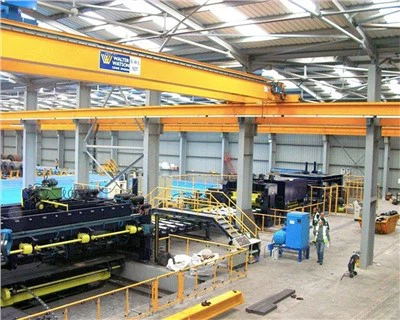
First things first, let’s cover what slitting lines are. A slitting line is a piece of equipment used in the metal processing industry. It takes large coils of metal, like steel or aluminum, and cuts them into narrower strips. These strips are then used in various applications, such as manufacturing automotive parts, electrical appliances, and construction materials.
The slitting process involves several steps. The coil is first loaded onto an uncoiler, which unwinds the metal. Then, the metal passes through a leveler to flatten it out. After that, it goes through the slitter, which has a series of circular blades that cut the metal into the desired widths. Finally, the strips are recoiled onto separate reels.
The Case for Integration
Now, why would you want to integrate a slitting line into an automated production line? There are several reasons.
Efficiency
Automation can significantly boost the efficiency of the slitting process. In a traditional setup, workers have to manually load the coils, adjust the blades, and monitor the process. This not only takes time but also increases the risk of human error. With an automated production line, these tasks can be done automatically. The coils can be loaded onto the uncoiler using robotic arms, and the slitter can be programmed to adjust the blade positions and cutting speeds based on the specifications of the job. This means that the slitting process can run continuously, with minimal downtime for setup and adjustment.
Precision
Automated slitting lines offer a higher level of precision compared to manual operations. The cutting blades can be controlled with great accuracy, ensuring that the strips are cut to the exact width and length required. This is especially important in industries where tight tolerances are critical, such as the aerospace and electronics industries. In addition, automation can reduce the variability in the cutting process, resulting in more consistent quality across all the strips.
Safety
Safety is a major concern in any manufacturing environment. Manual slitting operations involve working with heavy machinery and sharp blades, which can pose a serious risk to workers. By integrating a slitting line into an automated production line, many of these risks can be eliminated. Workers can be kept at a safe distance from the machinery, and the automated system can be equipped with safety features such as sensors and emergency stop buttons to prevent accidents.
Cost Savings
While the initial investment in an automated production line may be higher than a traditional setup, the long – term cost savings can be significant. By increasing efficiency and reducing waste, automation can lower the cost per unit of production. In addition, the reduced need for manual labor can result in lower labor costs over time.
How to Integrate Slitting Lines into an Automated Production Line
So, how do we go about integrating a slitting line into an automated production line? Here are the key steps:
Assessment and Planning
The first step is to assess your existing production line and determine how the slitting line can fit in. You need to consider factors such as the available space, the production capacity requirements, and the compatibility of the slitting line with the other equipment in the production line. A detailed plan should be developed, outlining the layout of the automated system, the sequence of operations, and the control strategy.
Equipment Selection
Once you have a plan in place, it’s time to select the right slitting line for your needs. There are many different types of slitting lines available on the market, with varying features and capabilities. You need to choose a slitting line that is compatible with your production requirements, such as the type of metal you are processing, the thickness and width of the coils, and the desired strip widths. In addition, the slitting line should be able to interface with the automated control system of the production line.
Automation and Control
The next step is to automate the slitting line and integrate it with the rest of the production line. This involves installing sensors, actuators, and control systems to monitor and control the various processes. The slitting line can be connected to a central control system, which can manage the entire production line. This allows for real – time monitoring of the process, as well as the ability to make adjustments and optimize the production parameters.
Testing and Validation
Before the automated production line goes into full production, it needs to be thoroughly tested and validated. This involves running test batches of material through the slitting line and the entire production line to ensure that everything is working properly. Any issues or problems that are identified during the testing phase need to be addressed and resolved before the system is put into operation.
Real – World Examples
There are many companies that have successfully integrated slitting lines into their automated production lines. For example, in the automotive industry, some manufacturers use automated slitting lines to cut steel coils into strips for making car body parts. The slitting process is integrated with other processes such as stamping and welding, creating a seamless production flow.
In the electronics industry, automated slitting lines are used to cut copper foils into narrow strips for making printed circuit boards. The high precision and efficiency of the automated slitting process ensure that the copper strips meet the strict quality requirements of the electronics industry.
Challenges and Solutions
Of course, integrating a slitting line into an automated production line is not without its challenges. Here are some common challenges and how to overcome them:
Technical Compatibility
One of the main challenges is ensuring the technical compatibility of the slitting line with the other equipment in the production line. This can be addressed by working closely with the equipment suppliers and ensuring that all the equipment is designed to work together. Standard communication protocols can be used to ensure seamless data exchange between the different components of the production line.
Operator Training
Automation requires a different set of skills from manual operations. Operators need to be trained to operate and maintain the automated slitting line and the entire production line. Training programs can be developed to provide operators with the necessary knowledge and skills.
Maintenance and Support
Automated production lines are complex systems that require regular maintenance and support. A maintenance plan should be developed to ensure that the slitting line and the other equipment in the production line are properly maintained. In addition, a reliable support system should be in place to address any technical issues that may arise.
Conclusion

So, to sum it all up, slitting lines can definitely be integrated into an automated production line. It offers numerous benefits, including increased efficiency, precision, safety, and cost savings. While there are some challenges to overcome, with the right planning, equipment selection, and implementation, the integration process can be a success.
Cut To Length Line If you’re interested in learning more about how our slitting lines can be integrated into your automated production line, or if you have any other questions about our products, don’t hesitate to reach out. We’re here to help you take your production process to the next level.
References
- Smith, J. (2020). Metal Processing Technology. Publisher XYZ.
- Johnson, A. (2019). Automation in Manufacturing. ABC Press.
Shanghai HOYO Industries Co., Ltd.
Shanghai HOYO Industries Co., Ltd. is one of the most professional slitting lines manufacturers and suppliers in China, featured by quality products and competitive price. Please rest assured to buy cheap slitting lines for sale here from our factory. Contact us for customized service.
Address: No.8, Jianding Road, Fengjing Town, Jinshan District, Shanghai, China
E-mail: info@hoyomachinery.com
WebSite: https://www.hoyomachinery.com/
