Hey there! I’m a supplier of foam tape, and I often get asked this question: "Is foam tape environmentally friendly?" It’s a hot topic these days, and I totally get why people are concerned. So, let’s dive right in and have an honest chat about it. Foam Tape
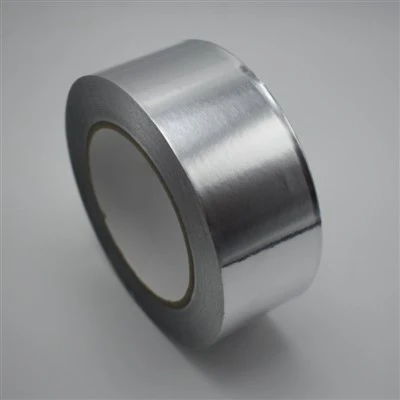
First off, let’s understand what foam tape is. Foam tape is made up of a foam core, which can be made from different materials like polyethylene, polyurethane, or neoprene. This foam core is then usually coated with an adhesive on one or both sides. It’s used in a ton of different applications, from sealing gaps in buildings to mounting pictures on the wall.
Now, when it comes to the environmental friendliness of foam tape, it’s not a simple yes or no answer. It depends on a few factors, starting with the materials used in its production.
Let’s talk about the foam core. Polyethylene foam is one of the most common materials used. It’s a type of plastic, and plastics have a bit of a bad rap when it comes to the environment. Polyethylene is derived from petroleum, which is a non – renewable resource. When it ends up in landfills, it can take hundreds of years to break down. However, some manufacturers are now producing recycled polyethylene foam. This is a great step forward as it reduces the demand for new petroleum – based materials and gives a second life to existing plastics.
Polyurethane foam is another option. It’s known for its excellent insulation properties, but it also has some environmental concerns. The production of polyurethane involves the use of isocyanates, which can be harmful to human health and the environment if not handled properly. And like polyethylene, polyurethane foam is also slow to decompose in landfills.
Neoprene foam is often used in more heavy – duty applications. It’s a synthetic rubber, and its production also has an environmental impact. The manufacturing process can release pollutants, and neoprene doesn’t break down easily either.
But it’s not all doom and gloom. There are some positive aspects to foam tape. For one, it can help with energy efficiency. When used for sealing gaps in buildings, it can prevent air leakage. This means that less energy is needed to heat or cool the building, which in turn reduces greenhouse gas emissions. In this way, foam tape can actually have a positive environmental impact in the long run.
Another thing to consider is the adhesive on the foam tape. Some adhesives are made from solvents, which can release volatile organic compounds (VOCs) into the air. VOCs are harmful to human health and can contribute to air pollution. However, there are also water – based adhesives available. These are much more environmentally friendly as they have lower VOC emissions.
As a foam tape supplier, I’m constantly looking for ways to make our products more environmentally friendly. We’re working with manufacturers who are committed to using recycled materials and developing more sustainable production processes. For example, we’re starting to offer foam tapes made from recycled polyethylene foam. These tapes perform just as well as the ones made from virgin materials, but they have a much smaller environmental footprint.
We’re also promoting the use of water – based adhesives. Our customers are starting to see the benefits of these adhesives, not only for the environment but also for their own health. When they use our foam tapes with water – based adhesives, they don’t have to worry about the strong chemical odors that come with solvent – based adhesives.
Now, let’s talk about the end – of – life of foam tape. When it’s no longer needed, what should we do with it? Well, if it’s made from recyclable materials, it should be recycled. However, not all recycling facilities are equipped to handle foam tape. This is an area where more work needs to be done. We need to improve the recycling infrastructure so that more foam tape can be recycled instead of ending up in landfills.
In some cases, foam tape can be reused. For example, if it’s still in good condition and has some adhesive left, it can be used for other small projects. This is a great way to extend the life of the tape and reduce waste.
So, is foam tape environmentally friendly? It can be, but it depends on the materials, the production process, and how it’s used and disposed of. As a supplier, I’m doing my part to offer more sustainable options. But it’s also up to consumers to make informed choices.
If you’re in the market for foam tape, I encourage you to look for products that are made from recycled materials and have water – based adhesives. These products may cost a little more upfront, but they’re worth it in the long run for the environment.
And if you have any questions about our foam tape products or want to discuss your specific needs, don’t hesitate to reach out. We’re here to help you find the right foam tape solution that meets your requirements while also being kind to the environment. Whether you’re a contractor working on a large building project or a DIY enthusiast, we’ve got you covered.
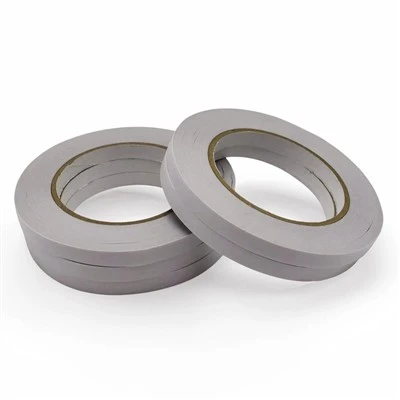
Let’s work together to make the world a greener place, one roll of foam tape at a time.
Aluminum Foil Insulation Tape References:
- "Plastics and the Environment" – Various environmental science textbooks
- "Sustainable Manufacturing in the Tape Industry" – Industry reports on tape production
- "Energy Efficiency in Buildings" – Research papers on the impact of sealing materials on energy consumption
Deqing Hongxin New Material Technology Co., Ltd.
As one of the most professional foam tape manufacturers and suppliers in China, we also support customized service. Please feel free to wholesale high quality foam tape in stock here from our factory. Welcome to contact us for quotation.
Address: No. 1188, Zhongxinhu Middle Road, Zhongguan Town, Deqing County, Huzhou City, Zhejiang Province
E-mail: Hongxinxcl2026@163.com
WebSite: https://www.hxnewmat.com/
