In the modern era, telecommunications masts stand as silent sentinels, enabling seamless communication across vast distances. These towering structures are the backbone of our connected world, facilitating everything from mobile phone calls to high – speed internet access. As a dedicated supplier of support structures for telecommunications masts, I am well – versed in the various components and systems that ensure these masts remain stable and functional. In this blog, I will delve into the different types of support structures for telecommunications masts, their significance, and the factors that influence their selection. Support Structures
Types of Support Structures
Self – Supporting Towers
Self – supporting towers are one of the most common types of support structures for telecommunications masts. These towers are designed to stand independently without the need for guy wires. They are constructed in a triangular or square lattice configuration, which provides excellent stability and resistance to wind and other environmental forces.
The triangular lattice design is particularly popular because it distributes the load evenly across the structure. Each side of the triangle acts as a support beam, transferring the weight of the mast and its equipment to the ground. The square lattice design, on the other hand, offers a more straightforward construction process and is often used in areas where space is limited.
Self – supporting towers are suitable for a wide range of applications, from small – scale local networks to large – scale national telecommunications infrastructure. They are also ideal for urban areas where the use of guy wires may not be practical due to limited space or aesthetic concerns.
Guyed Masts
Guyed masts rely on a system of guy wires to provide stability. These wires are attached to the mast at various heights and anchored to the ground at a distance from the base of the mast. The tension in the guy wires counteracts the forces acting on the mast, such as wind and the weight of the equipment.
One of the main advantages of guyed masts is their cost – effectiveness. They require less material compared to self – supporting towers, which makes them a more economical option, especially for taller structures. Additionally, guyed masts can be erected more quickly, reducing the overall construction time.
However, guyed masts do have some limitations. They require a larger area of land for the guy wire anchors, which may not be feasible in densely populated areas. Moreover, the guy wires can be a safety hazard if not properly maintained or marked.
Monopoles
Monopoles are single – pole structures that are commonly used for telecommunications masts. They are typically made of steel or concrete and are designed to be aesthetically pleasing, making them suitable for both urban and rural environments.
Monopoles offer several benefits. They have a small footprint, which is ideal for areas where space is at a premium. They are also relatively quick to install and can be easily integrated into existing landscapes. Additionally, monopoles can support a significant amount of telecommunications equipment, making them a versatile option for various applications.
However, monopoles are generally more expensive than guyed masts, and their height is limited compared to self – supporting towers. They also need to be carefully engineered to ensure they can withstand the environmental forces acting on them.
Significance of Support Structures
The support structures for telecommunications masts play a crucial role in the overall performance and reliability of the telecommunications system. A well – designed support structure ensures that the mast remains stable under various conditions, preventing damage to the mast and its associated equipment.
Stability is particularly important in areas prone to high winds, earthquakes, or other natural disasters. A stable support structure can protect the mast from toppling over, which could lead to costly repairs and service outages. Moreover, a stable mast ensures that the antennas and other equipment mounted on it are properly positioned, which is essential for optimal signal transmission and reception.
In addition to stability, support structures also need to be durable. Telecommunications masts are often exposed to harsh environmental conditions, including extreme temperatures, humidity, and corrosion. A durable support structure can withstand these conditions and have a long service life, reducing the need for frequent replacements and maintenance.
Factors Influencing the Selection of Support Structures
Location
The location of the telecommunications mast is a critical factor in determining the type of support structure to be used. In urban areas, where space is limited and aesthetic concerns are important, monopoles or self – supporting towers may be the preferred choice. These structures can blend in with the surrounding environment and require less space compared to guyed masts.
In rural areas, where there is more available land, guyed masts may be a more economical option. They can be erected on large plots of land without causing significant disruptions to the surrounding area. Additionally, the open space in rural areas allows for the proper installation of guy wire anchors.
Load Requirements
The load requirements of the telecommunications mast also influence the selection of the support structure. The weight of the antennas, transmitters, and other equipment mounted on the mast, as well as the wind and seismic loads, need to be carefully considered.
For masts with heavy equipment or those located in high – wind or earthquake – prone areas, a more robust support structure, such as a self – supporting tower, may be necessary. These structures are designed to handle higher loads and provide greater stability.
Cost
Cost is always a significant consideration in any construction project. The cost of the support structure includes the cost of materials, fabrication, transportation, and installation. In general, guyed masts are the most cost – effective option, followed by monopoles and then self – supporting towers.
However, it is important to consider the long – term costs as well. A more expensive but durable support structure may require less maintenance and replacement over its lifespan, which can result in cost savings in the long run.
Aesthetics
Aesthetics can also play a role in the selection of support structures, especially in areas where the visual impact of the mast is a concern. Monopoles are often chosen for their sleek and modern appearance, which can be more appealing in urban and residential areas. Self – supporting towers can also be designed to be aesthetically pleasing, with various finishes and coatings available.
As a Supplier
As a supplier of support structures for telecommunications masts, we understand the importance of providing high – quality products that meet the specific needs of our customers. We work closely with our clients to assess their requirements, taking into account factors such as location, load requirements, cost, and aesthetics.
Our team of experienced engineers and technicians is dedicated to designing and manufacturing support structures that are not only stable and durable but also compliant with all relevant industry standards and regulations. We use the latest technologies and materials to ensure that our products are of the highest quality and can withstand the rigors of the environment.
Whether you are planning a small – scale telecommunications project or a large – scale infrastructure development, we have the expertise and resources to provide you with the right support structure solution. Our products are available in a variety of sizes and configurations to suit different applications and budgets.
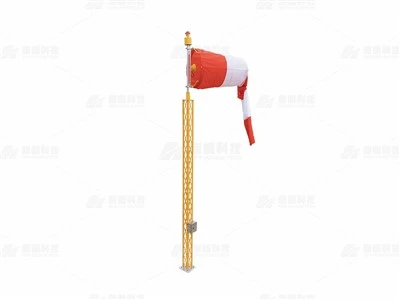
Wind Vanes If you are interested in purchasing support structures for your telecommunications masts, we invite you to contact us for a detailed consultation. Our knowledgeable sales team will be happy to discuss your needs, provide you with a customized quote, and answer any questions you may have. We look forward to working with you to build a reliable and efficient telecommunications infrastructure.
References
- International Telecommunication Union (ITU). Telecommunication Infrastructure Standards.
- American Society of Civil Engineers (ASCE). Standards for the Design of Telecommunications Support Structures.
- Steel Structures Painting Council (SSPC). Protective Coatings for Steel Telecommunications Masts.
Wuhu Qiahao Metal Products Co., Ltd.
As one of the most professional support structures manufacturers and suppliers in China, we warmly welcome you to buy premium support structures made in China here from our factory. All customized products are with high quality and competitive price. Contact us for pricelist.
Address: Building 5, No. 3 Yongtai Road, Wanzhi District, Wuhu City, Anhui Province, China
E-mail: 290418907@qq.com
WebSite: https://www.qiahaometal.com/
