Hey everyone,
If you’ve ever shopped for face shields over the last few years, you’ve probably noticed a huge range of options out there—some that feel like they could take a spill, others that look so sturdy you might even bump your head on them (don’t test that, trust me). As a face shield supplier, I get asked about durability all the time—not just if they’ll last through a busy work week, but if they’ll hold up to whatever mess, bumps, or weather gets thrown at them. Today I’m breaking down what actually makes a face shield durable, how long you can expect yours to last, and what to look for when you’re picking one that won’t quit. Face Protective Shield
First, let’s get one thing straight: durability isn’t one-size-fits-all. A face shield for a lab tech handling chemicals is going to be way different from one for a construction worker dealing with flying debris, and even different from one for a nurse moving between patient rooms. I’ve seen so many people grab a cheap online shield and wonder why it cracked after a week—turns out, most of that “cheap” stuff skips the key materials that make a shield actually hold up.
Let’s start with the two main parts of a face shield: the lens and the headgear. These are the bits that take the most abuse, so they’re where durability lives. For lenses, 9 times out of 10, the good stuff is polycarbonate. You might’ve heard of it—it’s the same material used in bulletproof glass and bike helmets, and for good reason. Unlike plastic or acrylic lenses (which a lot of budget shields use), polycarbonate is almost unscratchable if it’s treated right, and it doesn’t shatter into tiny sharp pieces when it takes a hit. I once tested a shield lens by dropping a wrench from 3 feet up (don’t worry, I was wearing safety gear) and it didn’t even scuff. Acrylic would’ve cracked right in half, no question. The only downside? Polycarbonate can fog up more easily if it’s not coated, which is why most durable shields have an anti-fog coating that’s also scratch-resistant—double win.
Then there’s the headgear. This is the part that people sleep on, but it’s super important for durability. Cheap headgear is usually flimsy plastic that cracks if you adjust it too much, or elastic that stretches out after a week of being pulled tight. The good stuff? Rigid ABS plastic frames (that’s the same material used in car interiors, fyi) and high-density elastic straps that hold their tension. I’ve had customers come back saying they’ve used their shield 8 hours a day, 5 days a week for 6 months, and their headgear still fits like new—those are the ones with ABS frames, not the bendy plastic ones. The other thing to look for is adjustable sizing: if the headgear is too loose, it’ll slip and you’ll yank at it all day, which wears it out faster. Sticking to something that lets you tweak it to your head size saves you from replacing it every couple of months.
Now, how long do these things actually last? That depends on how you use them. For healthcare workers or office staff who only wear their shield for short periods, take it off carefully, and clean it properly, a good quality shield can easily last 6 to 12 months. For construction workers, line cooks, or lab techs who are slamming their shields into equipment, spilling chemicals on them, or cleaning them with harsh disinfectants (which I’ll talk about in a sec), you’re looking at 2 to 4 months. And if you’re using a super cheap, budget shield? Yeah, that might only last a week or two. I see it all the time—someone buys a $5 shield, uses it once, it scratches, cracks, or the elastic breaks, and they’re back buying another one a month later. It’s way more cost-effective to invest a little more upfront for something that will last.
Wait, speaking of cleaning—people don’t realize that how you care for your shield is huge for its durability. If you’re scrubbing it with rough paper towels or harsh chemicals like bleach, you’ll scratch the coating on the lens, make it brittle, and shorten its life. The right way to clean it is with mild soap and warm water, a soft microfiber cloth, or the special cleaning wipes made for polycarbonate lenses. And never store it crumpled in a bag or tossed in a drawer—hang it up or use the stand that comes with most durable shields. I’ve had customers who swear by their shield lasting a year just because they take 30 seconds to clean it properly every night and hang it up. The ones who toss it in their toolbox after every shift? They’re replacing theirs monthly.
There are also some myths about durability that I want to bust, because I hear them all the time. First myth: “A thicker lens is more durable.” Not necessarily. If it’s cheap polycarbonate with no scratch coating, a thicker lens will still scratch easily, and it’s heavier, which makes it more uncomfortable to wear and could actually cause the headgear to break faster from the extra weight. The best balance is a 0.04 to 0.06 inch polycarbonate lens with a hard, anti-scratch coating— that’s the sweet spot between durability and comfort. Second myth: “Face shields are disposable.” Yeah, some single-use ones are for temporary jobs, but most of the shields we supply are designed to be reused and durable. We even make shields that have replaceable lenses, so if yours does get a scratch or a crack, you don’t have to throw out the whole thing—just swap the lens, which saves you money and is way better for the environment. Third myth: “Weather affects durability.” If you’re using your shield outside in sun or rain, make sure it’s UV-resistant (a lot of polycarbonate lenses have built-in UV protection), and avoid leaving it in a hot car or direct sunlight for hours. The extreme heat can break down the anti-fog coating and make the headgear elastic stretch out faster. I had a customer who left their shield on their truck dashboard all summer—by the end of August, the elastic was loose and the lens was fogged so bad they could barely see. That’s user error, not the shield being bad.
Now, let’s talk about what actually makes a shield not durable. The red flags to watch out for when you’re shopping: if the lens is labeled as “plastic” not polycarbonate, if the headgear is thin, bendy plastic, if the anti-fog coating is listed as “basic” (which usually means it’ll wear off in a week), and if the price is way lower than most reputable suppliers. I once saw a face shield at a dollar store that claimed to be for construction use— of course, it was acrylic, the headgear broke when I adjusted it, and it couldn’t take even a small hit. That’s the stuff that’s a waste of money.
As someone who’s been in this business for a while, I’ve seen firsthand how a durable face shield isn’t just a piece of equipment—it’s something that keeps you safe and doesn’t add extra stress to your workday. There’s nothing worse than your shield cracking mid-shift, leaving you exposed, or having to replace it every other week because it falls apart. That’s why we focus on making shields that are built to last, no matter what job you’re doing. We test every batch of lenses for scratch resistance and impact, we use high-quality ABS headgear that doesn’t break even after hundreds of adjustments, and we include an anti-scratch, anti-fog coating that lasts for months, not days.
If you’re someone who’s tired of buying flimsy face shields that don’t hold up, or if you’re a business looking to equip your team with shields that will save you money in the long run, we’re here to help. We work with everyone from small construction crews to big hospitals, restaurants, and lab facilities, and we can help you pick the right shield for your needs—whether you need something for short-term use or a heavy-duty option that will last all year. Don’t hesitate to reach out to chat more about durability, pricing, or bulk orders.
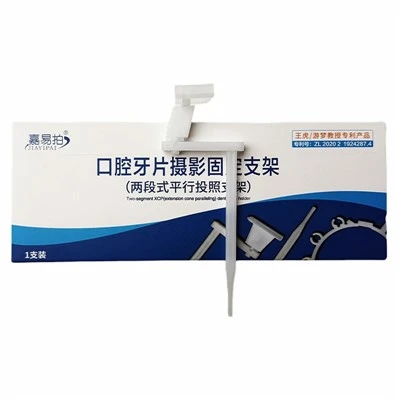
Dental X-ray Film Holder References:
- Occupational Safety and Health Administration (OSHA). (2021). Personal Protective Equipment: Face Shields. U.S. Department of Labor.
- National Institute for Occupational Safety and Health (NIOSH). (2020). Durability and Care of Polycarbonate Face Shields for Occupational Use. Centers for Disease Control and Prevention.
- American National Standards Institute (ANSI). (2019). ANSI Z87.1-2019: Personal Eye and Face Protection. ANSI International.
- Polycarbonate Manufacturers Association. (2022). Properties and Durability of Polycarbonate for Safety Equipment.
- Journal of Occupational and Environmental Hygiene. (2021). "Service Life of Reusable Face Shields in Industrial and Healthcare Settings." Vol. 18, No. 10, pp. 689-697.
Nanjing Jiawei Medical Devices Co., Ltd.
As one of the most professional face protective shield manufacturers and suppliers in China, we’re featured by quality products and good price. Please rest assured to buy customized face protective shield made in China here from our factory. Also, pricelist is available.
Address: No. 1, Rungu Road, Guli Sub-district, Jiangning District, Nanjing City, Jiangsu Province
E-mail: 3851343798@qq.com
WebSite: https://www.goldenwayppe.com/
