If you’ve ever been in the metal machined components game for any length of time, you know that the parts we ship out aren’t just cut, drilled, and stamped pieces of metal—they’re the backbone of everything from airplane turbines to factory robot arms and even the gears in your car’s transmission. For years, we relied on the same go-to materials: steel, aluminum, maybe a little brass for low-stress parts. But lately? Clients have been hitting us up with wild, out-of-the-box requests for components that can take way more heat, last way longer, and weigh way less than anything we turned out 5 or 10 years ago. I’m the guy who works the floor and talks to our clients every day, so I’ve seen firsthand how these new materials aren’t just a trend—they’re changing how we do machining, and how our clients build their products. Let’s break down what’s actually catching on right now, no stuffy textbook jargon, just real talk from someone who’s got chips on my jeans and a dented coffee mug on my desk. Metal Machined Components

First off, let’s get one thing straight: “new materials” don’t mean we’re ditching all the old reliable stuff. A lot of these new ones are tailored for super specific jobs that steel and aluminum can’t touch, and that’s where the money’s at for high-performance parts. Take, for example, additively manufactured titanium alloys—wait, no, not just any titanium. It’s the ones that have been optimized specifically for machining, not just for 3D printing prototypes. A few months back, we had a aerospace client coming to us with a problem: they needed a bracket for a jet engine that had to hold 10,000 PSI of pressure, survive 1,800 degrees Fahrenheit (that’s way hotter than your car’s engine runs), and weigh 20% less than the steel bracket they were using. The old titanium they used? It was too brittle to machine into the tight tolerances they needed—like, we’re talking within 0.005 millimeters, about the thickness of a human hair. But this new alloy, Ti-6Al-4V ELI Grade 23? They tweaked the chemistry just enough to make it machinable without losing that strength. We ran a test batch last quarter, and I’ll be damned—those brackets came out perfect. The client didn’t have to swap out their entire assembly line, just the old steel parts, and they cut fuel use in their jets by 3% because of the weight savings. That’s not just a win for us; that’s a win for everyone who flies, honestly.
Then there’s the stuff that’s been blowing up in the electric vehicle (EV) space, and let’s be real—EVs are the biggest driver of new material demand right now. Everyone’s trying to make lighter cars to get more range, and that means ditching cast iron engine blocks and heavy transmission parts. Enter: high-strength, low-alloy (HSLA) steels, but not the HSLA from 10 years ago. These new versions have tiny amounts of copper, nickel, and vanadium mixed in, which makes them way stronger than regular carbon steel, but still soft enough to machine quickly. A lot of our clients in the EV industry were initially scared of switching to aluminum for their motor housings because aluminum can warp under high torque, but this new HSLA? It’s half the weight of cast iron, and it doesn’t warp like aluminum. We’ve been machining these housings for a Tesla parts supplier for the past six months, and I can tell you—they’re running their machines 15% faster than they did on cast iron, because this steel doesn’t gum up the cutting tools as much. That’s a big deal for our bottom line, and for theirs too, since faster machining means lower costs per part.
Wait, I can’t forget about the dark horse here: ceramic matrix composites (CMCs). Yeah, ceramics—those brittle things you use for coffee mugs. But these CMCs are nothing like your morning mug. They’re made by mixing ceramic fibers (like silicon carbide) with a ceramic matrix, so they’re tough, not fragile. We got a order last year for turbine blades from a power plant company, and let me tell you, those blades have to survive way harsher conditions than jet engine parts—they’re exposed to corrosive gases, super high temps, and constant vibration. Old steel blades would last maybe two years before they had to be replaced, but these CMC blades? Our client tested a prototype, and they lasted seven years. The catch? Machining CMCs is way trickier than steel or even titanium. Those ceramic fibers will wear through a carbide cutting tool in like 10 parts, so we had to switch to diamond-tipped tools and slow our feed rate way down. But the client is willing to pay a 30% premium for the part because they don’t have to shut down their power plant every two years to replace blades—that’s a no-brainer for them.
I know what some of you are thinking: “What about stainless steel? That’s been around forever.” True, but there’s a new type of stainless steel that’s been making waves for medical parts—wait, medical metal components are another huge market we’re in, right? Patients need parts that don’t corrode in their bodies, can be sterilized thousands of times, and are super precise. The new one is called 17-4 PH plus, and it’s a precipitation-hardened stainless steel that’s way more machinable than the original 17-4 PH, which used to be such a pain to work with—you’d go through three cutting tools for one part. This new version? We can machine twice as many parts per tool, and it has the same corrosion resistance and strength. We’ve been making hip stem prototypes for a medical device company, and they love that it doesn’t leave any tiny metal shavings behind during machining—something old 17-4 PH would do, which meant extra polishing steps that added time and cost.
Now, let’s get real about the challenges here, because I don’t want to make it sound like every new material is a silver bullet. First off, price. A pound of the new Ti-6Al-4V Grade 23 is like three times more expensive than regular steel, so you can’t use it for every part. We’ve had clients come in asking for CMC parts for their lawnmower gears, and we have to tell them straight up: that’s not going to make financial sense, buddy. CMCs are for high-stress, high-performance applications where the cost of downtime or weight savings is way more than the cost of the material. Then there’s the tooling. Most of these new materials are harder or more abrasive than the old stuff, so you can’t use the same cutting tools you’ve had for 20 years. We invested in a bunch of diamond-tipped tools last year for the CMC parts, and that cost us a chunk of change, but it’s paid off because we’re not wasting time replacing tools every hour. Also, there’s learning curve. Our operators have been machining steel for decades, and switching to these new materials means retraining—like, a machinist who’s used to running 500 feed rate on steel has to drop that to 100 on CMC, because if you go too fast, the part cracks or the tool breaks. It’s been a process, but our guys are catching on fast, because once they see the end result, they get excited.
Wait, another thing that’s changed: the way we source these materials. Five years ago, if we needed a special alloy, we had to wait 6 weeks for it to come in from overseas. Now, there are domestic suppliers popping up that specialize in these high-performance materials, which means we can turn around orders faster, and our clients don’t have to deal with long lead times. Last month, a client needed a rush order of 200 HSLA steel brackets for a construction robot, and we got the material in three days instead of four weeks, so we got the parts to them in a week, which kept their project on track. That’s the kind of thing that keeps our clients coming back, you know?
I’ve been in this metal machined components business for 18 years, and I’ve seen trends come and go—remember when everyone was hyping up magnesium alloys for EVs, and then they realized they’re way too flammable to use in car parts? Yeah, that didn’t pan out. But these new materials? They’re here to stay, because they solve real problems. The aerospace industry can’t keep using steel to make parts that need to be lighter and hotter-resistant. The EV industry can’t hit 500 miles of range with cast iron parts. The medical industry can’t keep using parts that corrode in patients’ bodies. So these materials aren’t just a fad—they’re how we move forward.
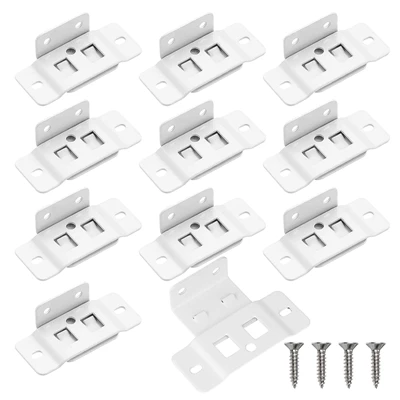
If you’re a designer, engineer, or procurement person reading this, and you’ve been stuck with parts that don’t hold up, or you’re trying to make a product lighter, stronger, or more durable, we’ve got the experience to work with these new materials. We don’t just machine steel and aluminum anymore—we’ve got the equipment, the tooling, and the know-how to work with titanium alloys, HSLA steels, CMCs, and that new 17-4 PH stainless for medical parts. Whether you need a prototype for a new jet engine bracket, a batch of EV motor housings, or medical components that can withstand years of use, we can help. Stop using parts that hold your product back—reach out, tell us what you’re working on, and we can figure out the right material and machining process for you. No fine print, no hidden fees, just real parts that work.
Industrial Ancillary Metal Parts References:
- ASM International. (2022). Advances in Machining of High-Performance Metal Alloys. Materials Park, OH: ASM International.
- American Ceramic Society. (2021). Ceramic Matrix Composites for Extreme Environment Applications. Westerville, OH: American Ceramic Society.
- Automotive Research Center. (2023). Lightweight Materials for Electric Vehicle Components. Ann Arbor, MI: University of Michigan.
- ISO 13715:2020. Machining – Quality Requirements for Metal Components for Aerospace Applications. Geneva, Switzerland: International Organization for Standardization.
- International Organization for Standardization. (2022). Medical Device Materials – Metallic Biomaterials for Implants. Geneva, Switzerland: International Organization for Standardization.
Changzhou Detong Metal Products Co., Ltd.
As one of the most professional metal machined components manufacturers and suppliers in China, we also support customized service. Welcome to wholesale bulk high quality metal machined components in stock here from our factory. If you have any enquiry about cooperation, please feel free to email us.
Address: No.2 Xinsheng Road, Henglin Town, Wujin District, Changzhou City, Jiangsu Province
E-mail: detong18@outlook.com
WebSite: https://www.cn-detong.com/
